

Collection: Runner Rugs
Long, narrow rugs that transform transitional spaces
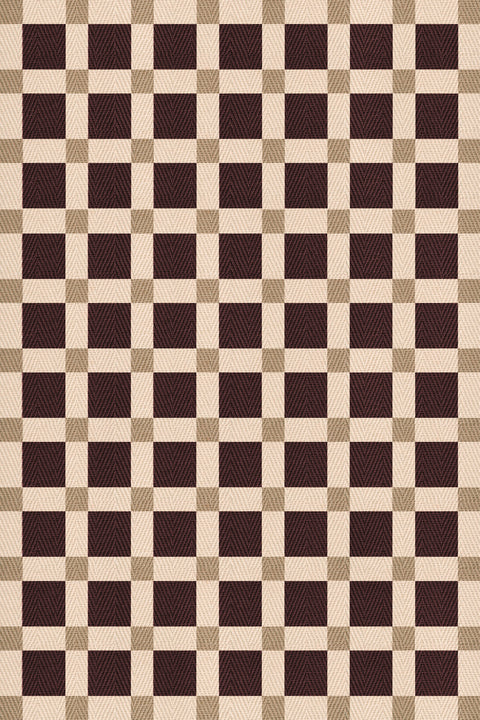
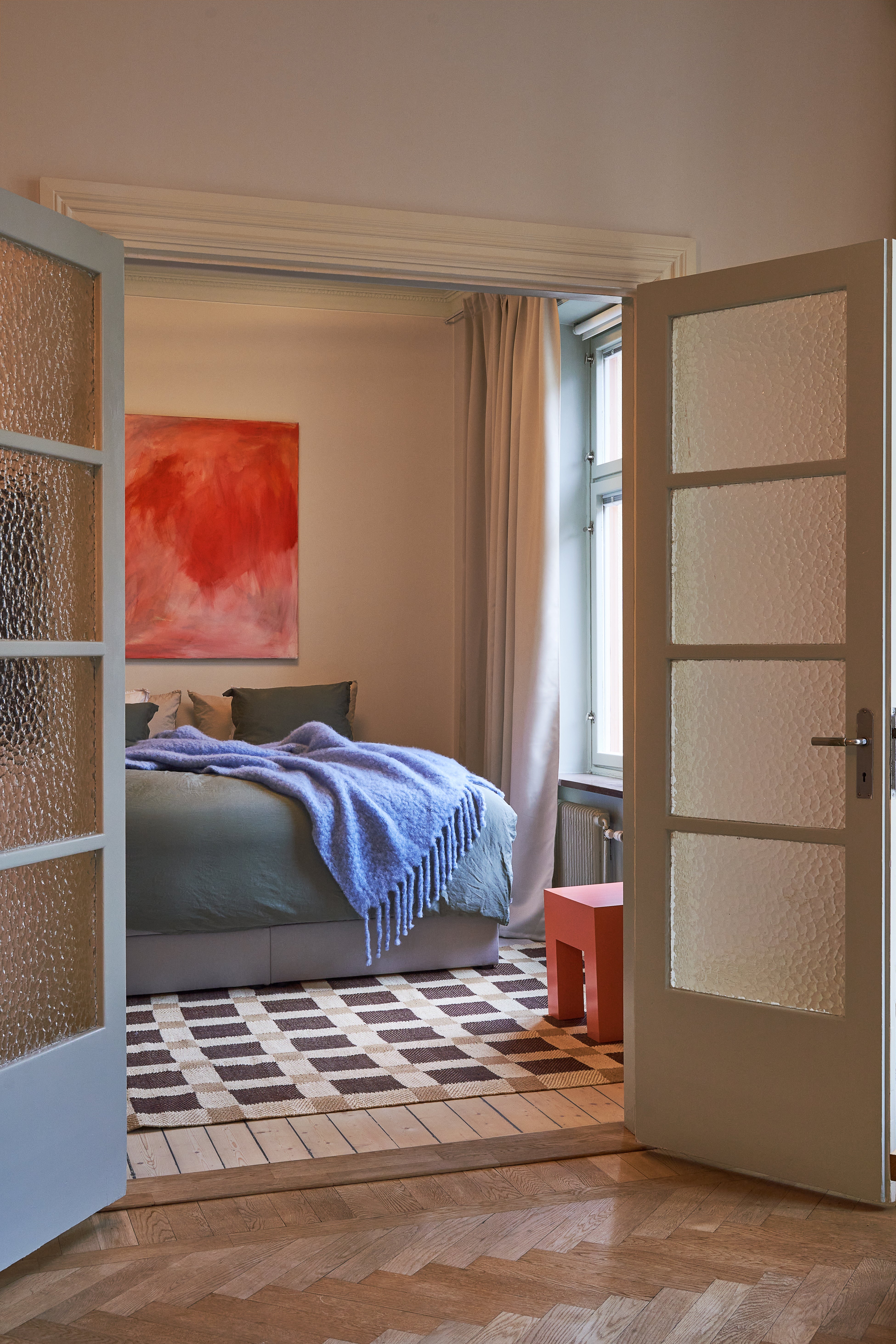
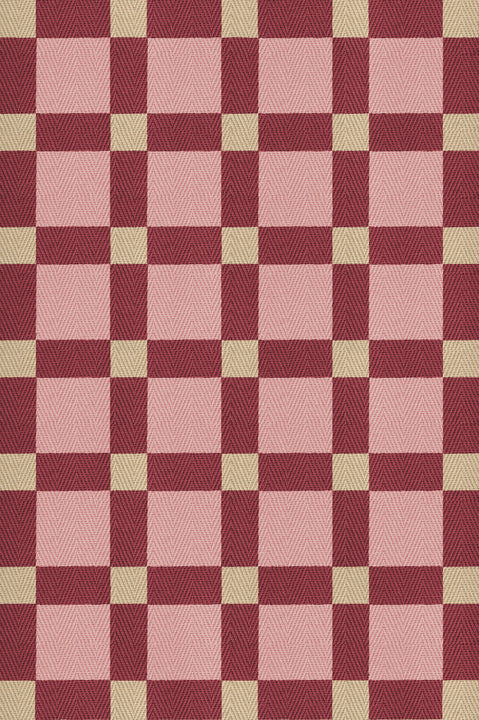
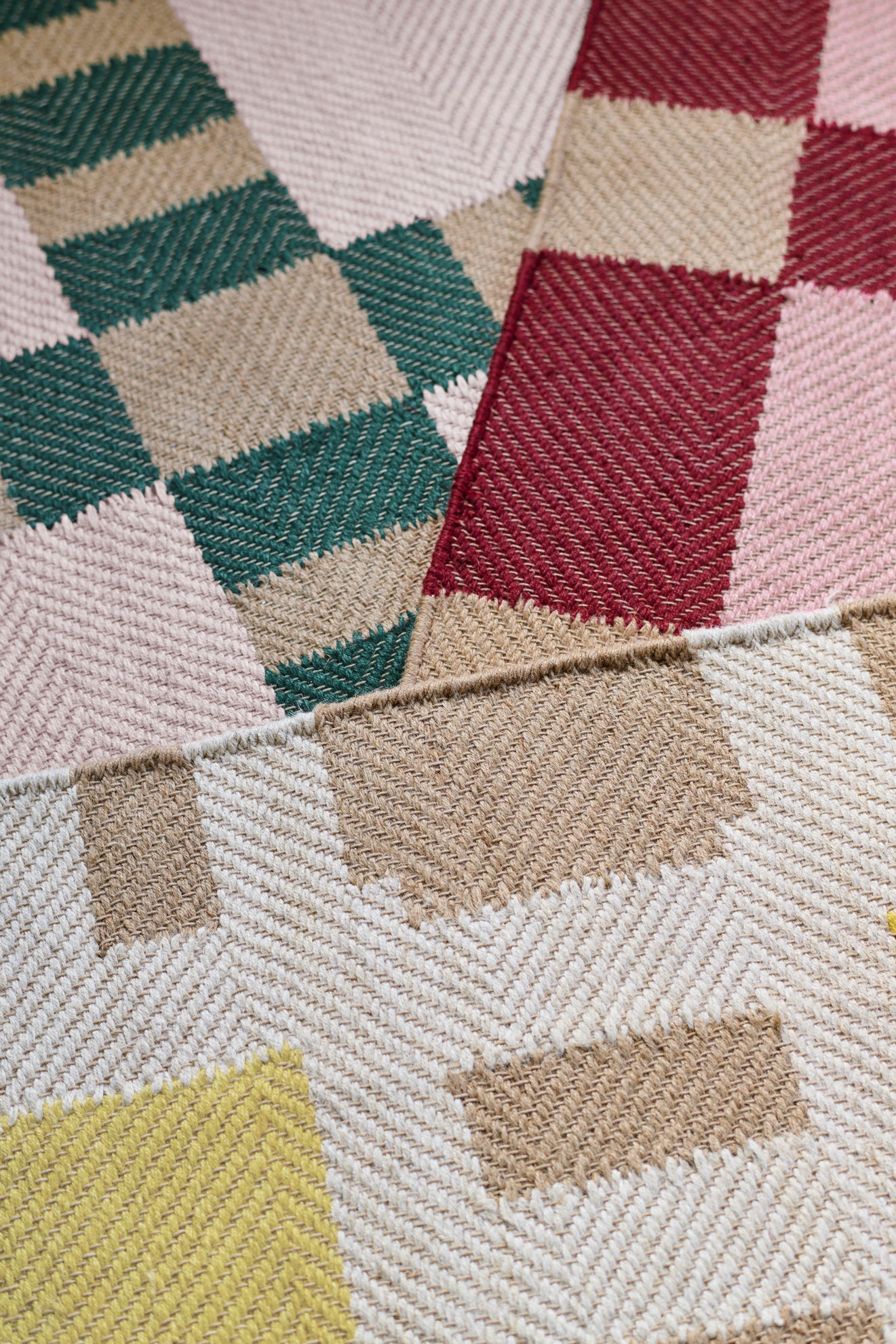
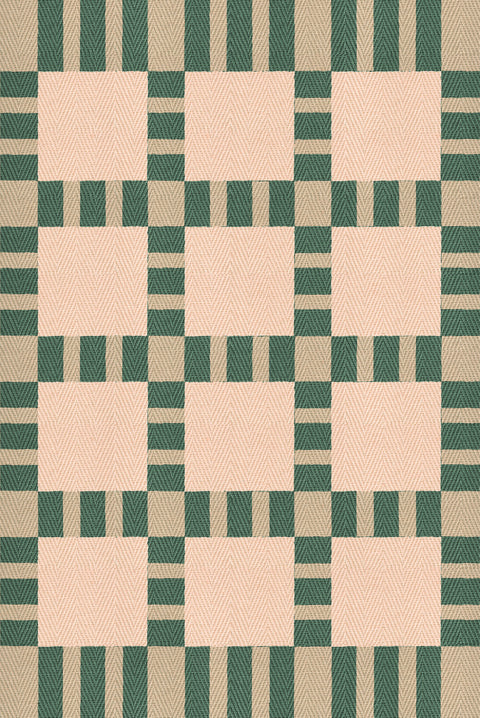
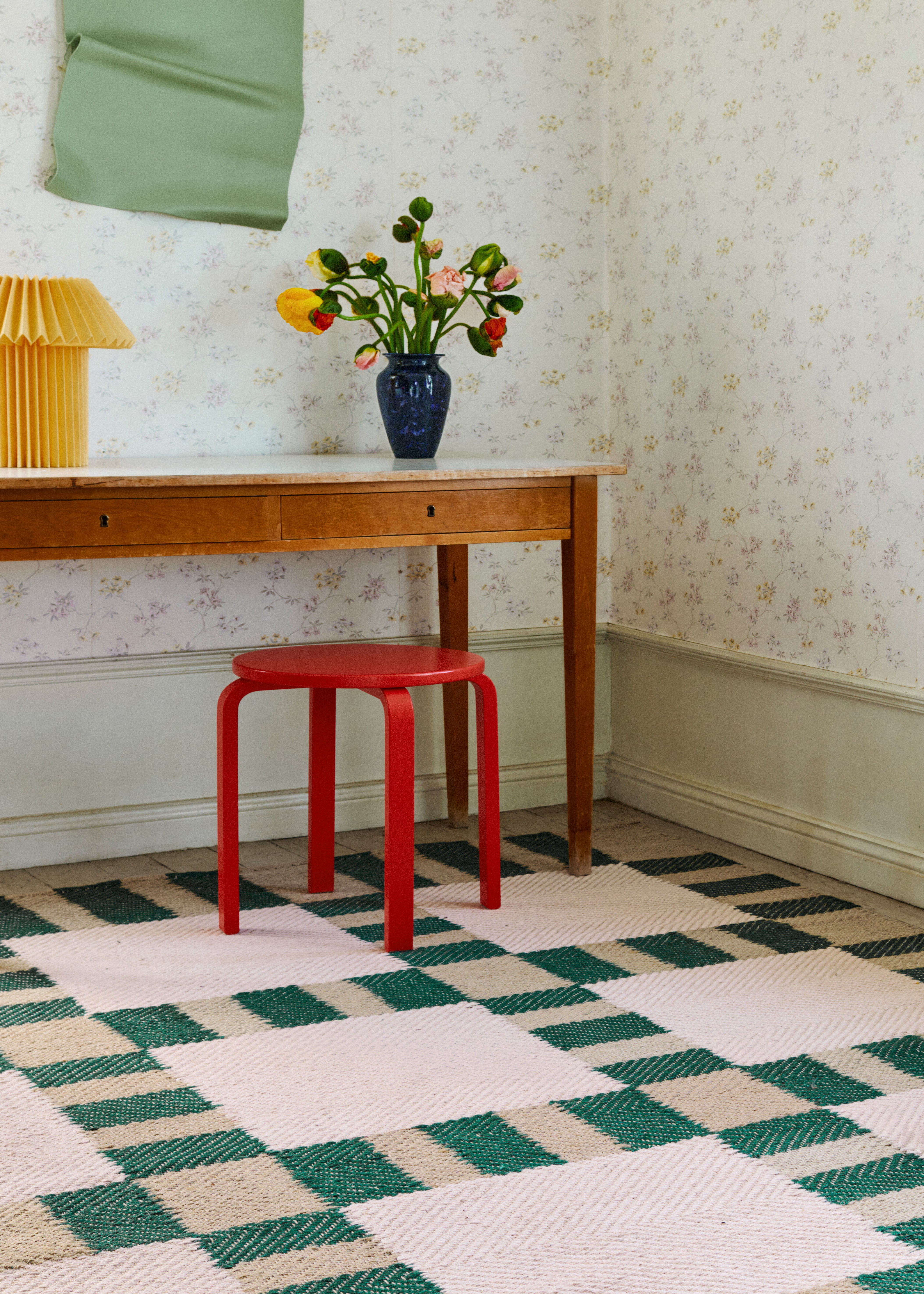


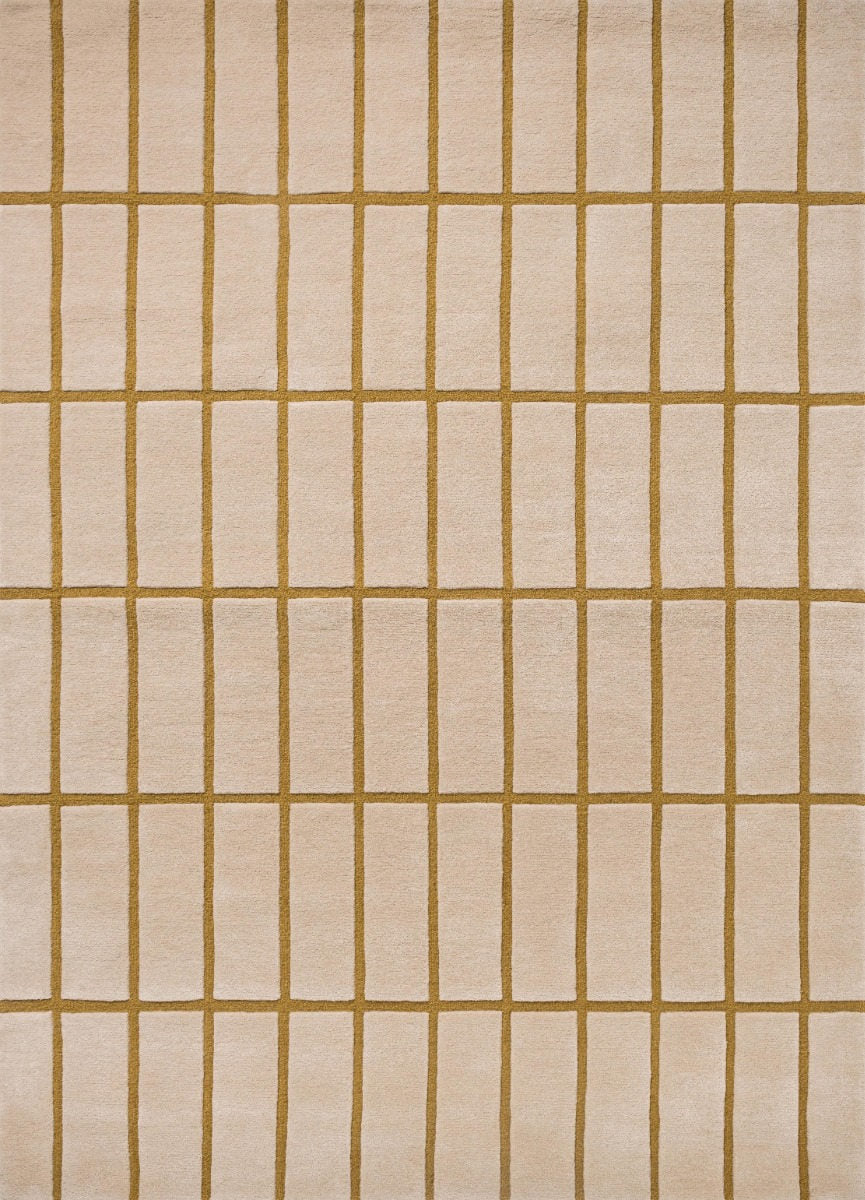
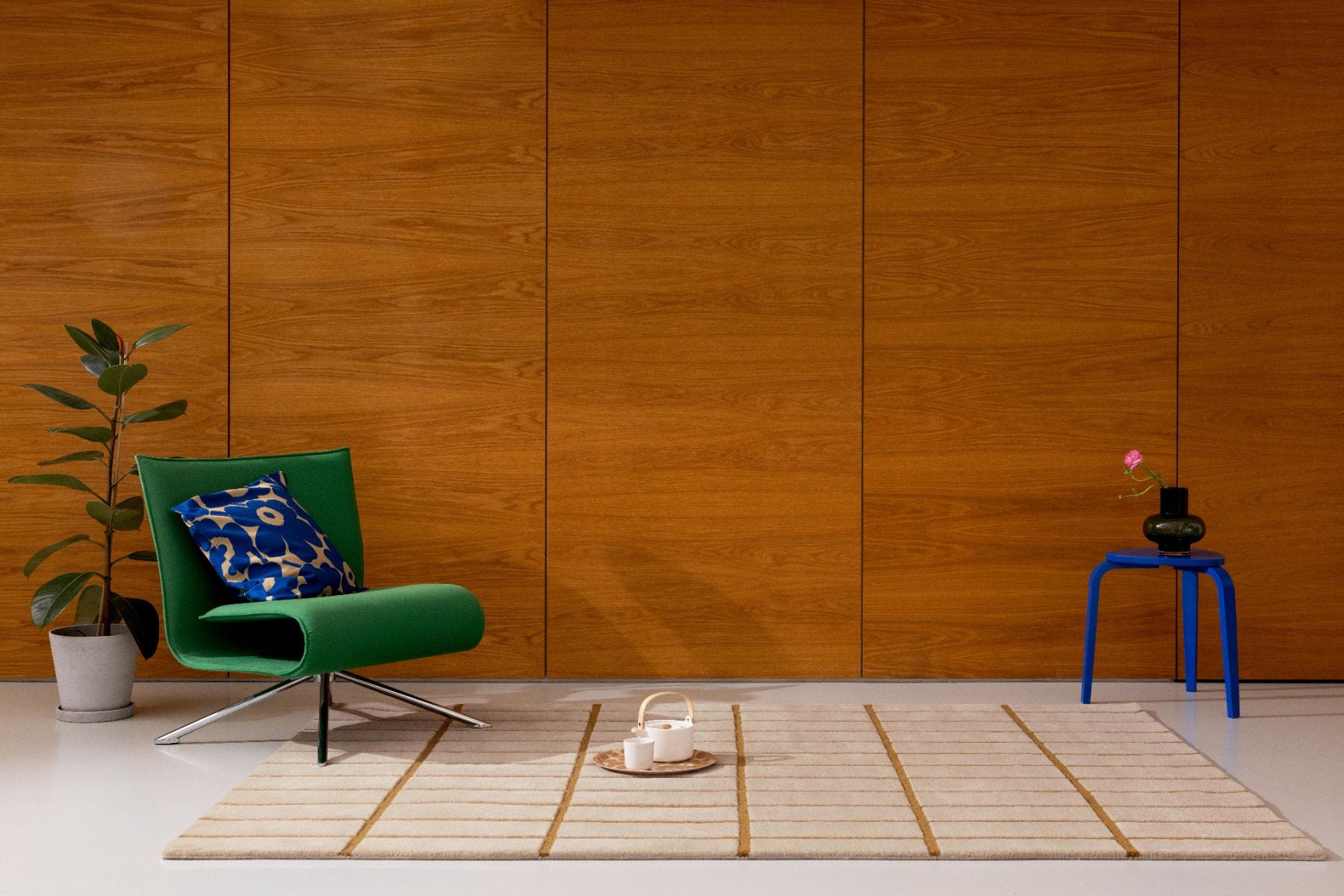



Runner Rugs: Function Meets Form in Narrow Spaces
Runner rugs solve a specific problem. They bring warmth, colour, and definition to spaces that rectangular rugs can't accommodate. Hallways, kitchens, landings, the side of a bed, anywhere the floor is long and narrow, a runner transforms what might otherwise feel like dead space into something intentional.
Our runner rug collection spans materials, patterns, and lengths. From durable flatweaves suited to high-traffic hallways to plush wool runners that soften bedroom floors, each piece has been chosen for its ability to perform in spaces where function and aesthetics need to work together.
Where Runner Rugs Work Best
Hallways are the most obvious application. A runner guides movement, protects flooring, and introduces colour to a space that's often overlooked. It also reduces noise, particularly useful in homes with hard floors and open-plan layouts. Choose a durable material like wool or flatweave cotton, and leave 5 to 10 cm of floor visible on each side to frame the runner and create a tailored look.
Kitchens benefit from runners placed along galley layouts or in front of counters and sinks. They add comfort underfoot in areas where you stand for extended periods, and they're practical. Flatweave runners are easy to clean, and darker tones or patterns conceal spills better than solid light colours.
Bedrooms can accommodate runners along the side of a bed or at the foot, adding warmth and softness without the bulk of a full rug. This works particularly well in smaller bedrooms where a large rug would overwhelm the floor, or in rooms where you want texture without covering too much of the existing flooring.
Staircases and landings are often forgotten, but a runner here adds safety by reducing slip and softening the sound of footsteps. It also introduces visual continuity between floors, particularly effective when the runner complements rugs used elsewhere in the home.
Choosing the Right Material for Runner Rugs
Material matters more with runners than with larger rugs because they're almost always placed in high-traffic or high-use areas. Wool is the most versatile option. It's naturally stain-resistant, durable, and soft underfoot. A wool runner works in hallways, bedrooms, and even kitchens, and it ages beautifully rather than looking worn.
Flatweave cotton and linen are ideal for kitchens and high-traffic hallways. They're easy to clean, breathable, and suit relaxed, Scandinavian-inspired interiors. Flatweaves also sit lower to the floor, reducing the risk of tripping, which is particularly important in narrow spaces.
Jute and sisal offer a more organic, textured option. They're durable and suited to casual, coastal, or natural-leaning interiors. However, they can be rougher underfoot, so they're better suited to hallways and entryways than bedrooms.
Viscose brings a silk-like sheen that elevates the look of a runner, though it's best reserved for low-traffic areas like bedroom runners or landing spaces where aesthetics are the priority and durability is less of a concern.
Sizing and Placement
Measure your space before choosing a runner. For hallways, the runner should extend most of the length of the corridor, leaving 5 to 10 cm of floor visible on each side and at both ends. This frames the runner and prevents it from looking like it's been squeezed into the space.
For kitchens, measure the length of the area where you stand most often, typically in front of the sink, stove, or counter. A runner that's too short looks awkward, so err on the side of longer rather than shorter.
In bedrooms, a runner along the side of the bed should extend from the headboard to just beyond the foot of the bed. At the foot of the bed, the runner should be wide enough to feel substantial but not so wide that it competes with the bed itself.
Practical Considerations
Runners in hallways and kitchens need to stay in place. Rug pads are essential. They prevent slipping, protect your flooring, and extend the life of the runner by reducing wear. We recommend them for all hard floors, particularly in high-traffic areas.
Maintenance is straightforward. Regular vacuuming keeps runners looking fresh, and most spills can be blotted immediately without lasting damage. Flatweave runners are particularly easy to clean, and many can be spot-cleaned with mild detergent and water. For wool runners, professional cleaning is recommended for deeper stains or annual maintenance.
Runners work well with underfloor heating, particularly flatweave and low-pile constructions. High-pile runners can insulate too effectively, reducing heating efficiency, so if underfloor heating is a priority, stick to thinner constructions.
Finding the Right Runner Rug
Start by considering where the runner will be placed and how much traffic it will see. High-traffic hallways need durable materials like wool or flatweave cotton. Bedrooms can accommodate softer, more luxurious options like viscose or high-pile wool. Kitchens benefit from easy-to-clean flatweaves in darker tones or patterns.
Think about your existing palette. A neutral runner in cream, beige, or grey works with almost any interior. A patterned runner introduces visual interest without overwhelming narrow spaces. Darker tones are more practical for high-use areas, while lighter tones suit bedrooms and low-traffic landings.
Measure carefully. A runner that's too short or too narrow looks like an afterthought. When in doubt, size up. A longer runner creates visual flow and makes the space feel more intentional.
Browse the collection to find the right material, length, and pattern for your space. Many of our runners are available in custom sizes, so if standard dimensions don't fit your hallway or kitchen, reach out. Delivery is free across the UK, and we accept returns within 30 days. If you're uncertain about material or sizing, we're here to help you get this right.