

Collection: Rugs
Curated rugs for every room, every style, every floor


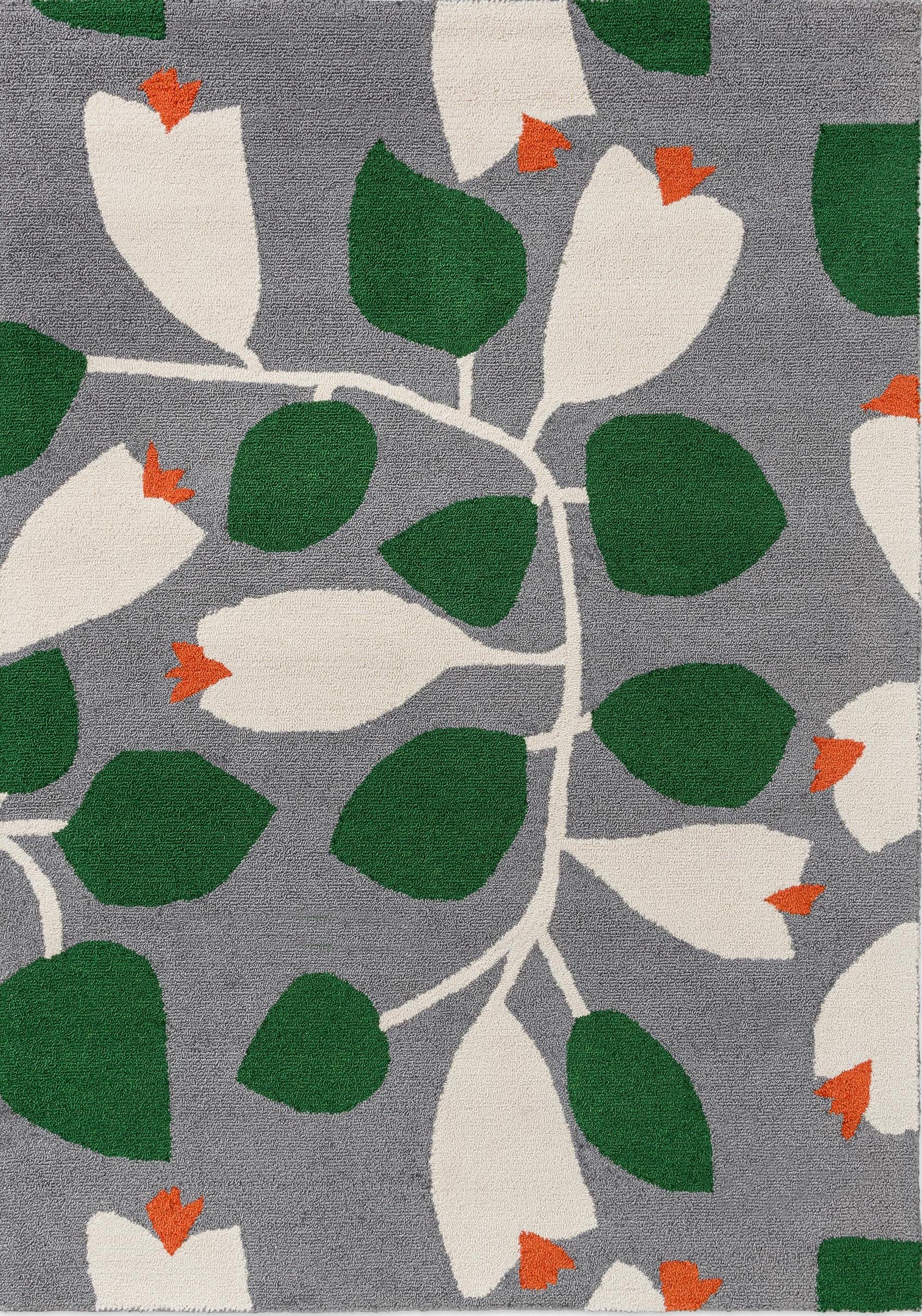
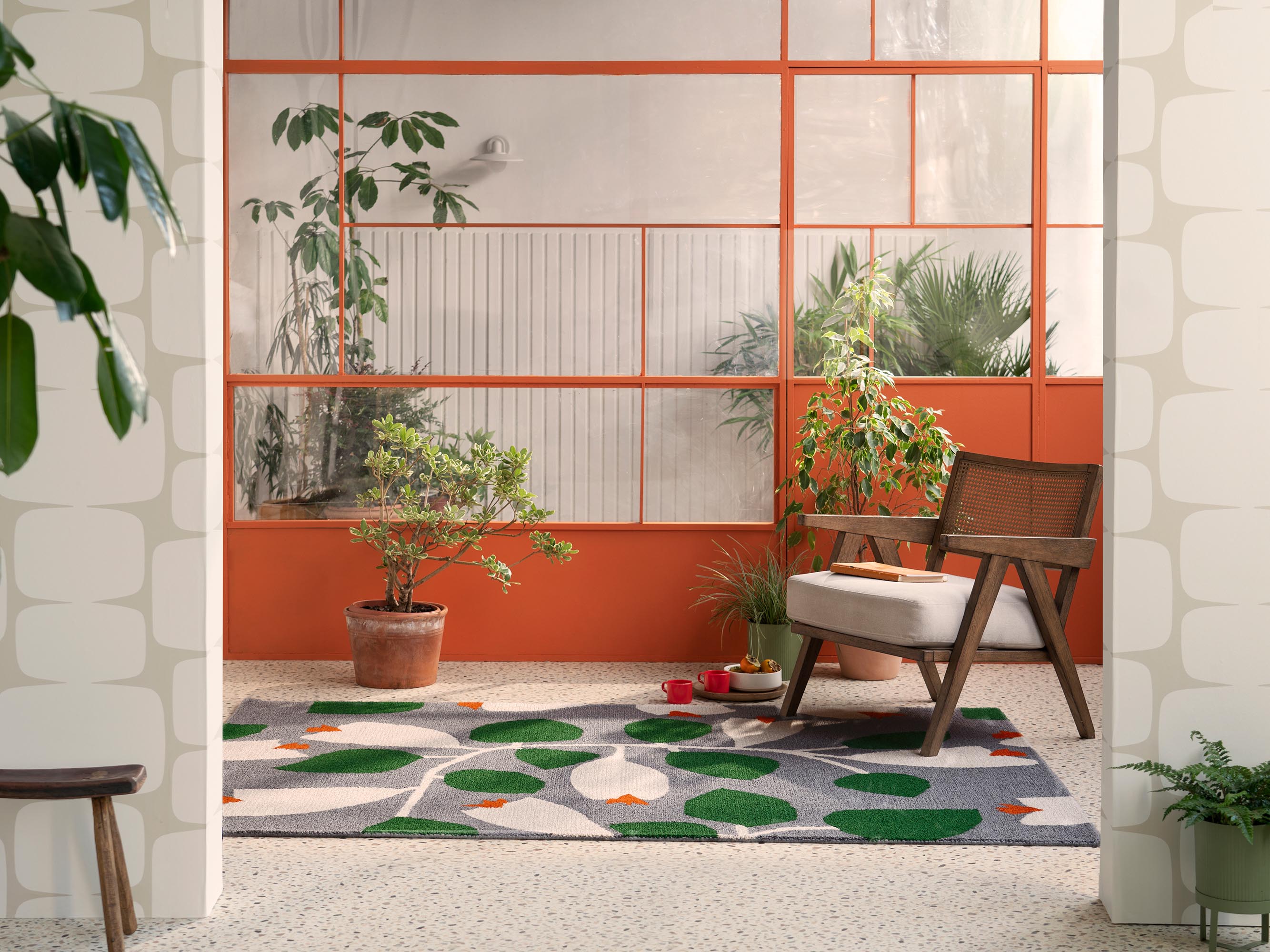


Rugs That Redefine Rooms
A rug is never just a rug. It's the first thing you feel underfoot in the morning, the element that pulls a room together, the texture that softens hard edges and absorbs sound. It's architecture you can touch. When chosen well, a rug doesn't decorate a space. It completes it.
At Tapison, we've spent years curating a collection that reflects how people actually live. Not showroom perfection, but real homes with real demands. Families with young children who need durability. Minimalists who want texture without pattern. Maximalists who layer rugs like art. Renters working with awkward layouts. Homeowners investing in pieces that will outlast trends.
Every rug here has earned its place. We don't stock anything we wouldn't put in our own homes, and we don't make claims we can't back up. What you see is what you get: honest materials, thoughtful construction, and designs that work across styles and decades.
How to Think About Choosing a Rug
Most people start with colour or pattern, which makes sense visually but often leads to regret later. We'd suggest starting with function instead. What does this room need? If it's a high-traffic hallway, you want something durable and low-maintenance. If it's a bedroom, comfort and warmth matter more than stain resistance. If it's a dining room, you need a rug that can handle chairs being pulled in and out several times a day.
Once you've established function, shape becomes the next consideration. Rectangular rugs are the most versatile, working beneath sofas, beds, and dining tables with equal ease. Round rugs soften angular spaces and work beautifully in reading nooks, beneath circular tables, or as a counterpoint to linear furniture. Runners are the unsung heroes of hallways, kitchens, and narrow spaces, adding warmth and definition without overwhelming the floor plan.
Material comes next, and this is where personal preference meets practical reality. Wool is the gold standard for most applications. It's naturally resilient, stain-resistant, and improves with age. Viscose offers a silk-like lustre that elevates low-traffic spaces like bedrooms and studies. Cotton and linen flatweaves are breathable, easy to clean, and suit relaxed, Scandinavian-leaning interiors. High-pile textures add dimension and tactility, particularly effective in modern spaces where texture does the work that colour might do elsewhere.
Rugs by Room, Not by Rule
Living rooms benefit from larger rugs that anchor seating arrangements. The front legs of your sofa and chairs should sit on the rug, creating a cohesive visual grouping rather than a collection of separate pieces floating in space. For most UK living rooms, that means a 200×300 cm or 240×340 cm rug, though open-plan spaces often require 300×400 cm to feel proportionate.
Dining rooms need rugs that extend at least 60 cm beyond the table on all sides, allowing chairs to remain on the rug when pulled out. This isn't about aesthetics, it's about function. A rug that's too small creates an awkward edge that chairs catch on, disrupting the flow of a meal.
Bedrooms are more forgiving. A rug here softens the floor, frames the bed, and adds warmth that's as much about feeling as temperature. Ideally, it extends beyond the bed on three sides, visible and tactile when you step out in the morning. If space is limited, even a runner along the side of the bed changes the room.
Hallways and kitchens are where runners come into their own. They add warmth and definition to transitional spaces without overwhelming narrow floor plans. Look for durable materials and low-pile constructions that won't trip or shift underfoot.
Style Without Overthinking It
The best rugs don't announce themselves. Neutral palettes in cream, taupe, charcoal, and soft grey offer versatility that lets you change everything else in a room without replacing the rug. That's not boring, that's strategic. If you're drawn to pattern, start with geometry or abstraction rather than anything too literal. A well-executed geometric design brings energy without overwhelming, and it ages better than most figurative motifs.
For those who lean towards heritage design, our classic rugs offer Persian-inspired motifs, intricate borders, and layered colourways that reference centuries of craft. These work beautifully in period properties, but they're equally at home in contemporary settings when styled with restraint.
Tonal patterns, where design is created through texture rather than colour contrast, are particularly effective in smaller spaces. They add visual interest without fragmenting the floor, making rooms feel larger and more cohesive.
Size Matters More Than You Think
The most common mistake people make is sizing down. A rug that's too small makes a room feel disjointed, as though the furniture is hovering awkwardly rather than grounded. When in doubt, size up. A larger rug creates the illusion of more space, not less, because it unifies the floor plane rather than fragmenting it.
For living rooms, 200×300 cm is the most common choice, but if your space allows, 240×340 cm or 300×400 cm will feel more intentional. In dining rooms, measure your table, add 120 cm to both length and width, and that's your rug size. In bedrooms, a 160×230 cm works for a double bed, while a 200×300 cm suits a king.
The Practical Considerations
Underfloor heating is compatible with most flatweave and low-pile rugs. High-pile designs can insulate too effectively, reducing heating efficiency, so if that's a priority, stick to thinner constructions. Rug pads are worth the investment. They prevent slipping, protect flooring, and extend the life of the rug by reducing wear. We recommend them for all hard floors, particularly wood and tile.
Maintenance is simpler than most people assume. Regular vacuuming is enough for most rugs. Spills should be blotted immediately, not rubbed. For deeper cleaning, we recommend professional services rather than DIY attempts, particularly for wool and viscose.
Why Tapison Exists
We started Tapison because finding a good rug shouldn't require navigating endless options, misleading descriptions, or inflated prices. We work directly with mills and designers who share our standards, people like Louis De Poortere, Mart Visser, and Harlequin, who understand that quality isn't about excess, it's about integrity.
Every rug in this collection has been selected because it meets a standard we'd apply to our own homes. Honest materials, thoughtful construction, designs that won't feel dated in five years. We're not chasing trends. We're building a collection that lasts.
Delivery is free across the UK. Returns are accepted within 30 days, no questions asked. If you're uncertain about size, colour, or material, our team is available to talk it through. We're not reading from a script. We're just people who care about interiors and want you to get this right.
Where to Start
Browse by shape if you know what your space needs. Filter by room if you're furnishing from scratch. Search by material if you have specific requirements around durability, texture, or maintenance. Or just scroll and see what catches your eye. Sometimes the right rug finds you before you find it.
If you're stuck between two options, order both. See them in your space, in your light, against your furniture. One will feel right, and you can return the other. This isn't a small decision. A good rug changes a room in ways that are difficult to quantify but impossible to ignore. Take your time. We're here when you need us.