
Collection: Terrace Rugs
Weather-resistant, easy to clean, built for outdoor life
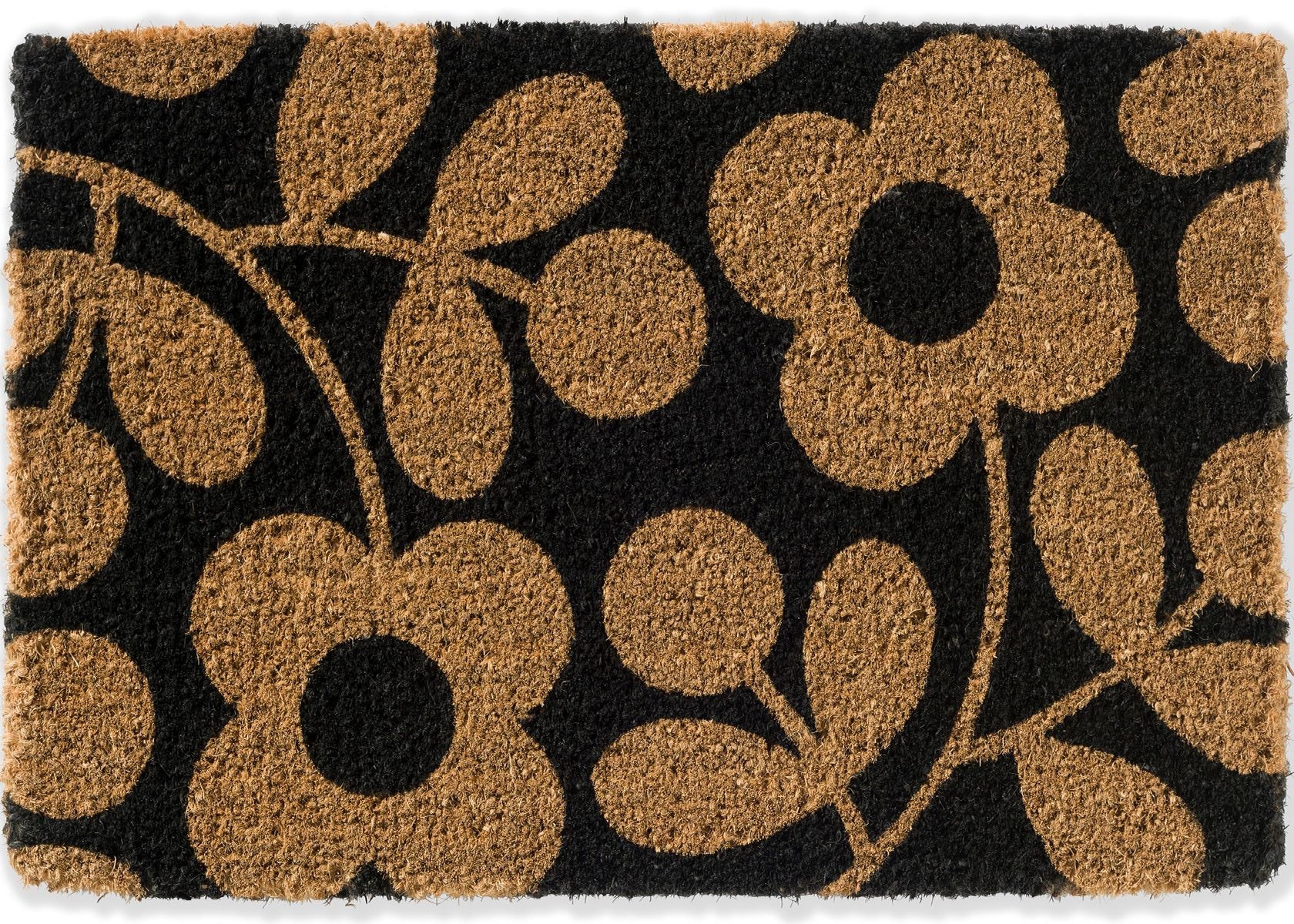

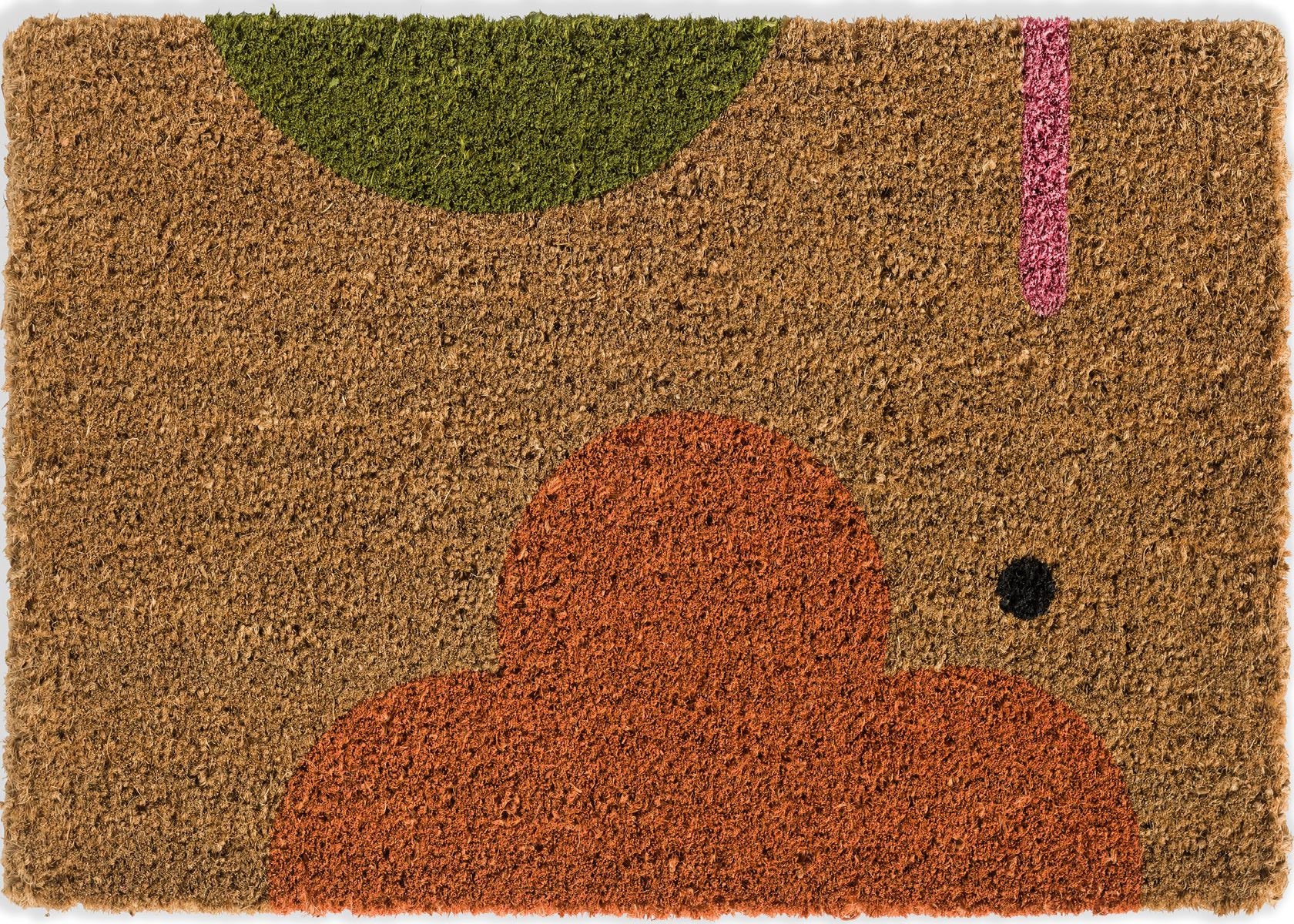

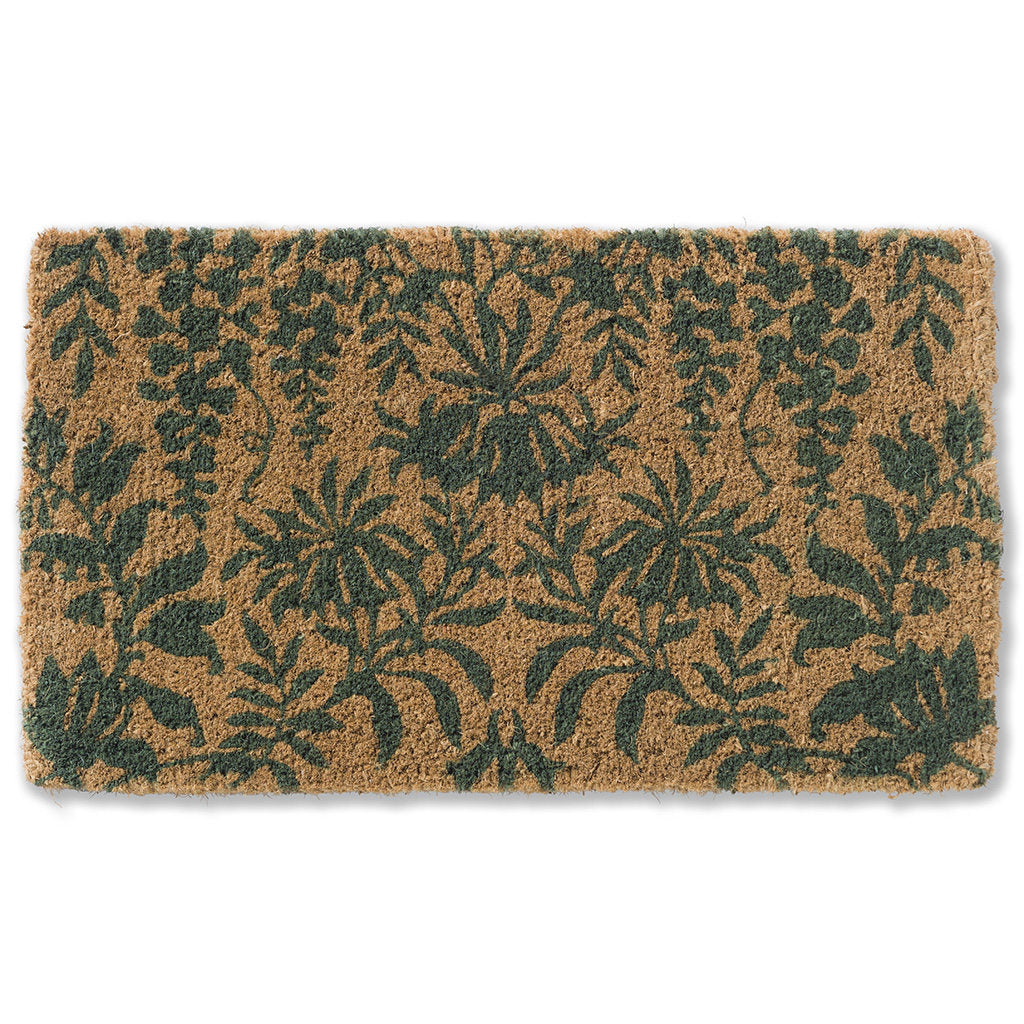

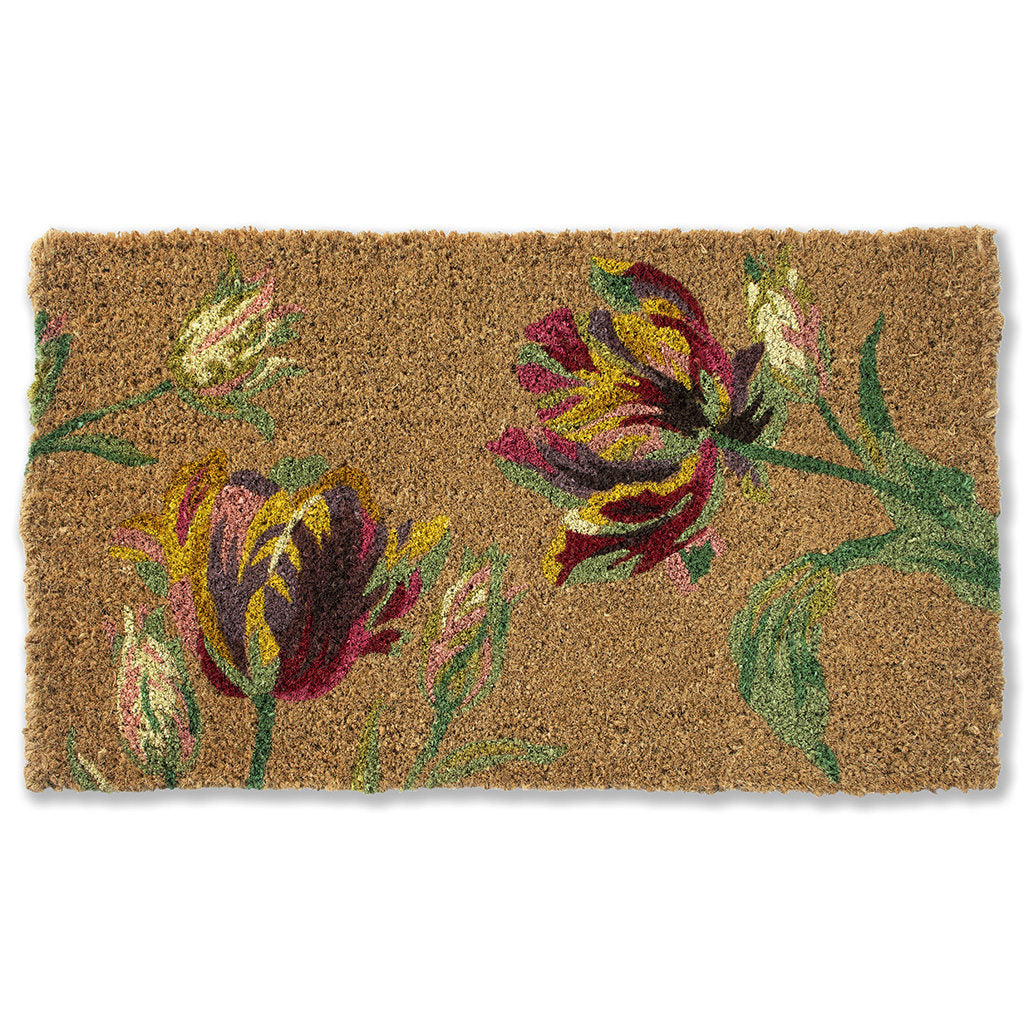


Terrace Rugs: Outdoor Living Made Easy
A terrace rug transforms hard, uninviting outdoor surfaces into spaces where you actually want to spend time. It softens concrete and tile underfoot, defines seating and dining areas, and makes balconies, patios, and rooftop terraces feel more like extensions of your home rather than afterthoughts. The right outdoor rug turns a functional space into a comfortable one.
What makes terrace rugs different from indoor rugs is their construction. They're built to handle weather, moisture, UV exposure, and the kind of wear that comes from being outside. Materials are chosen for durability and ease of maintenance rather than luxury or softness. These are rugs you can hose down, shake out, and leave outside without worrying. They're designed for real life, not just aesthetics.
Our terrace rug collection features pieces that balance practicality with style. Flatweaves in neutral tones that suit modern outdoor furniture. Patterned rugs with Mediterranean or geometric designs that add personality. Durable constructions that handle foot traffic, spills, and sun exposure without falling apart. Each rug has been chosen because it works outdoors without looking cheap or utilitarian.
What Makes a Rug Suitable for Outdoor Use
Weather resistance is essential. Terrace rugs are made from synthetic fibres like polypropylene or polyester that repel water and dry quickly. Unlike wool or cotton, these materials don't absorb moisture, which prevents mould, mildew, and that damp smell that ruins outdoor textiles. A terrace rug can get wet from rain or a spilled drink and be dry within hours.
UV resistance matters if the rug will be in direct sunlight. Outdoor rugs are treated to resist fading, though some natural colour softening will occur over time with prolonged sun exposure. Rotating the rug occasionally helps even out fading. Darker colours and patterns show fading less than very light or solid colours.
Flatweave construction is standard for terrace rugs. The rug sits close to the ground, which prevents tripping and allows doors to open smoothly. Flatweaves are also easier to clean than high-pile rugs, as dirt and debris don't get trapped in deep fibres. You can shake them out, vacuum them, or hose them down depending on how dirty they are.
Drainage is built into outdoor rugs. The weave allows water to pass through rather than pooling on the surface. This prevents the rug from becoming waterlogged and ensures it dries quickly after rain. It also means you can place outdoor rugs directly on decking, tile, or concrete without worrying about water damage to the surface beneath.
Where and How to Use Terrace Rugs
Dining areas on terraces or patios benefit from rugs that define the space and add comfort underfoot. Choose a rug large enough to extend beyond the table and chairs, ensuring chairs remain on the rug when pulled out. This creates a cohesive dining area and prevents the jarring sensation of moving from rug to hard surface mid-meal.
Lounge areas with outdoor sofas or seating work well with larger terrace rugs that anchor the furniture. The rug creates a visual boundary that makes the seating area feel intentional rather than random. It also adds comfort and warmth, making the space more inviting and encouraging people to actually use it.
Balconies, particularly small ones, suit runners or compact rectangular rugs. The rug adds softness and colour without overwhelming the limited space. It makes the balcony feel more finished and intentional, transforming it from a functional ledge into a space where you might actually sit with a coffee or book.
Poolside areas and garden corners work with terrace rugs that bring comfort to hard surfaces. The rug softens stone or concrete, making barefoot walking more pleasant. It also defines zones within larger outdoor spaces, creating distinct areas for lounging, dining, or relaxing.
Maintenance and Longevity
Terrace rugs are low-maintenance by design. Shake them out regularly to remove loose dirt and debris. Vacuum them as you would an indoor rug, or hose them down for a deeper clean. Most stains can be removed with mild soap and water. Avoid harsh chemicals or bleach, as these can damage the fibres or cause discolouration.
Store terrace rugs during winter or prolonged periods of non-use. While they're built to handle weather, storing them extends their lifespan and prevents unnecessary wear from harsh winter conditions. Roll them up and store them in a dry place, ensuring they're completely dry before storing to prevent mould or mildew.
Rotate terrace rugs occasionally to even out sun exposure and wear. This prevents one area from fading or wearing more quickly than others. It's particularly important for rugs in direct sunlight or high-traffic areas.
Expect terrace rugs to last several years with proper care. They won't last as long as high-quality indoor wool rugs, but they're not meant to. They're designed to be practical, affordable, and replaceable. When a terrace rug starts to look worn or faded, replace it. The investment is minimal compared to the comfort and functionality it provides.
Consider your outdoor space and how you use it. Dining areas need larger rugs that accommodate furniture. Lounge areas benefit from rugs that anchor seating. Small balconies work with compact sizes that don't overwhelm. Choose colours and patterns that complement your outdoor furniture and the overall aesthetic you want to create. A terrace rug isn't just functional. It's the piece that makes outdoor spaces feel intentional, comfortable, and worth using.