
Collection: Striped Rugs
Direction, rhythm, timeless simplicity




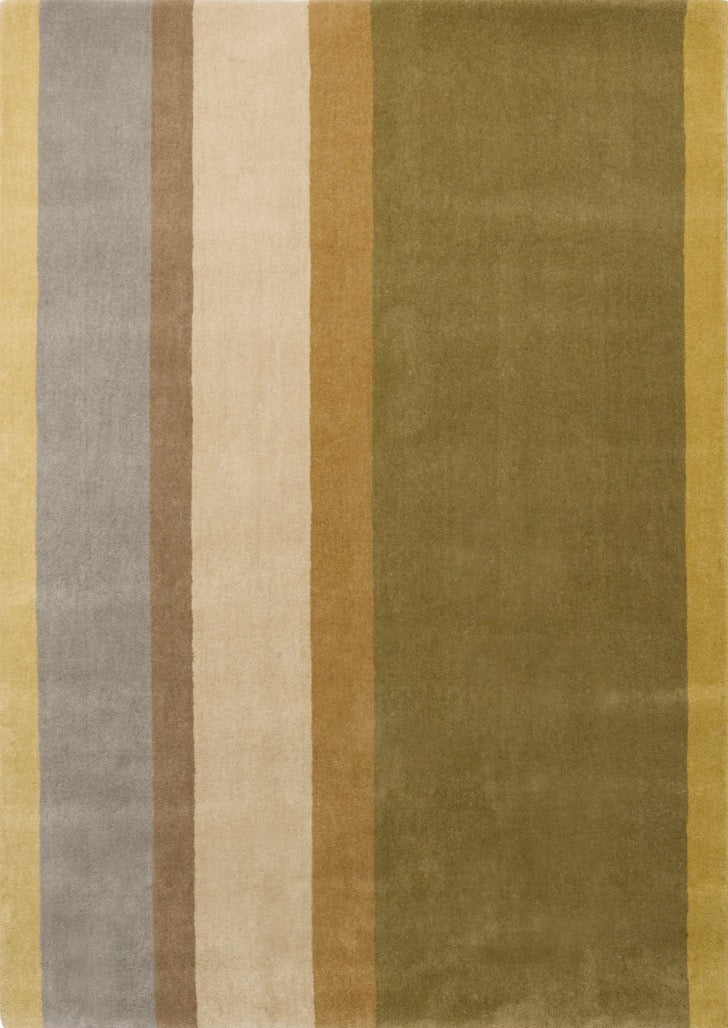
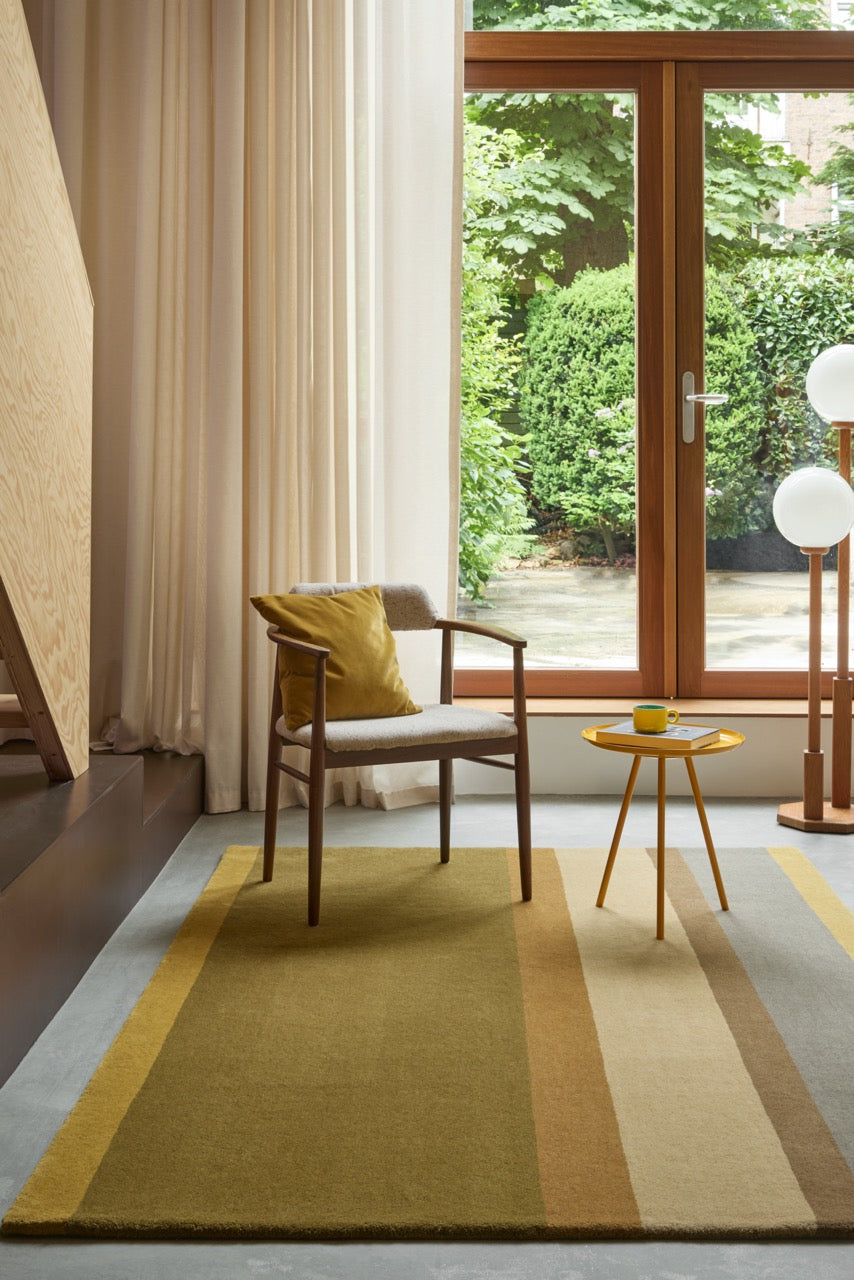
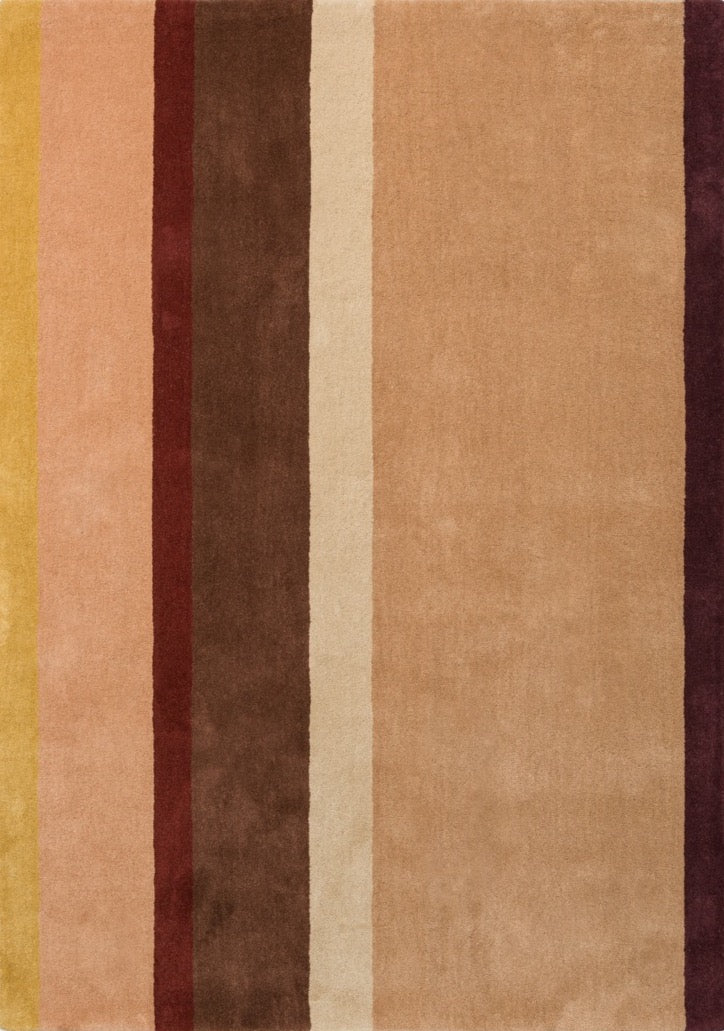
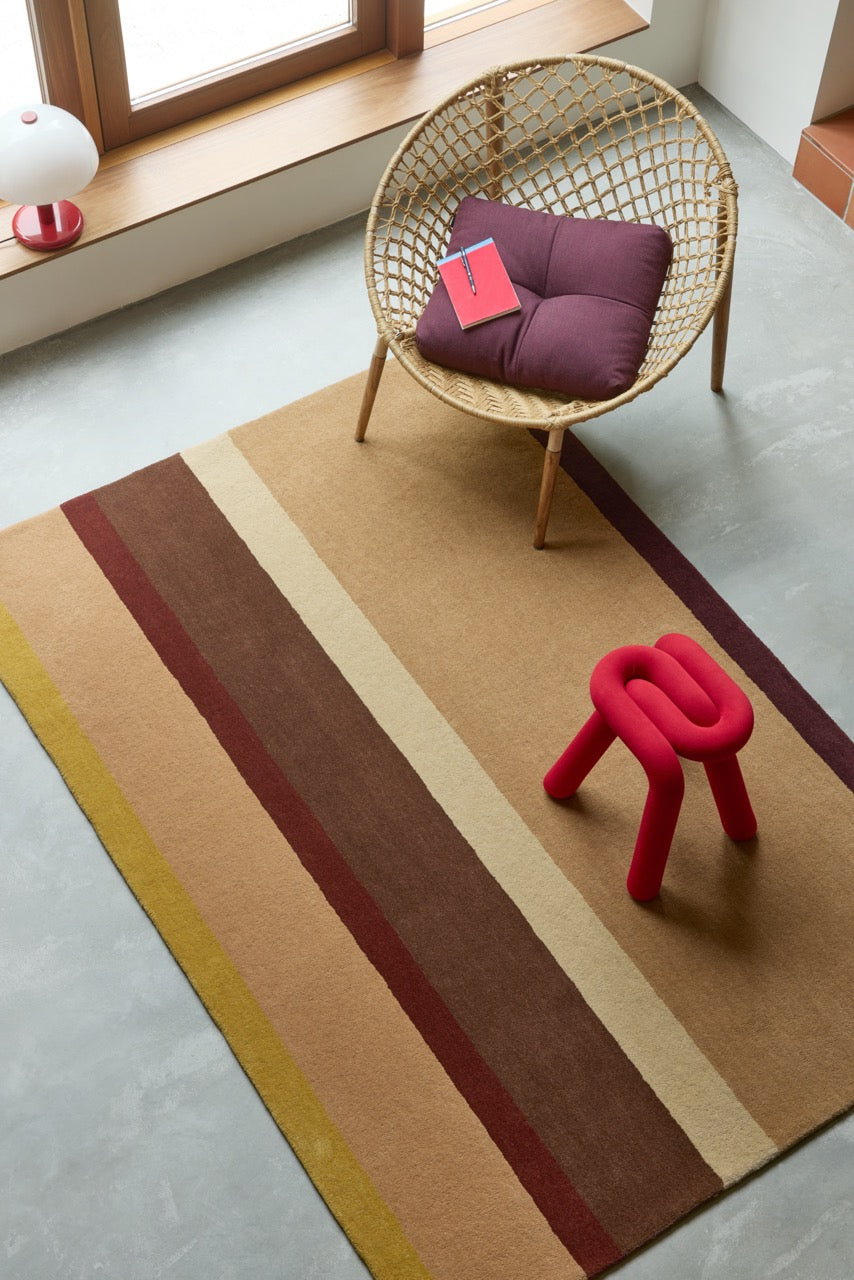
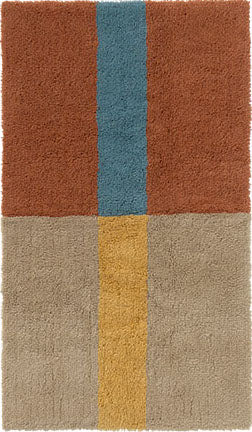
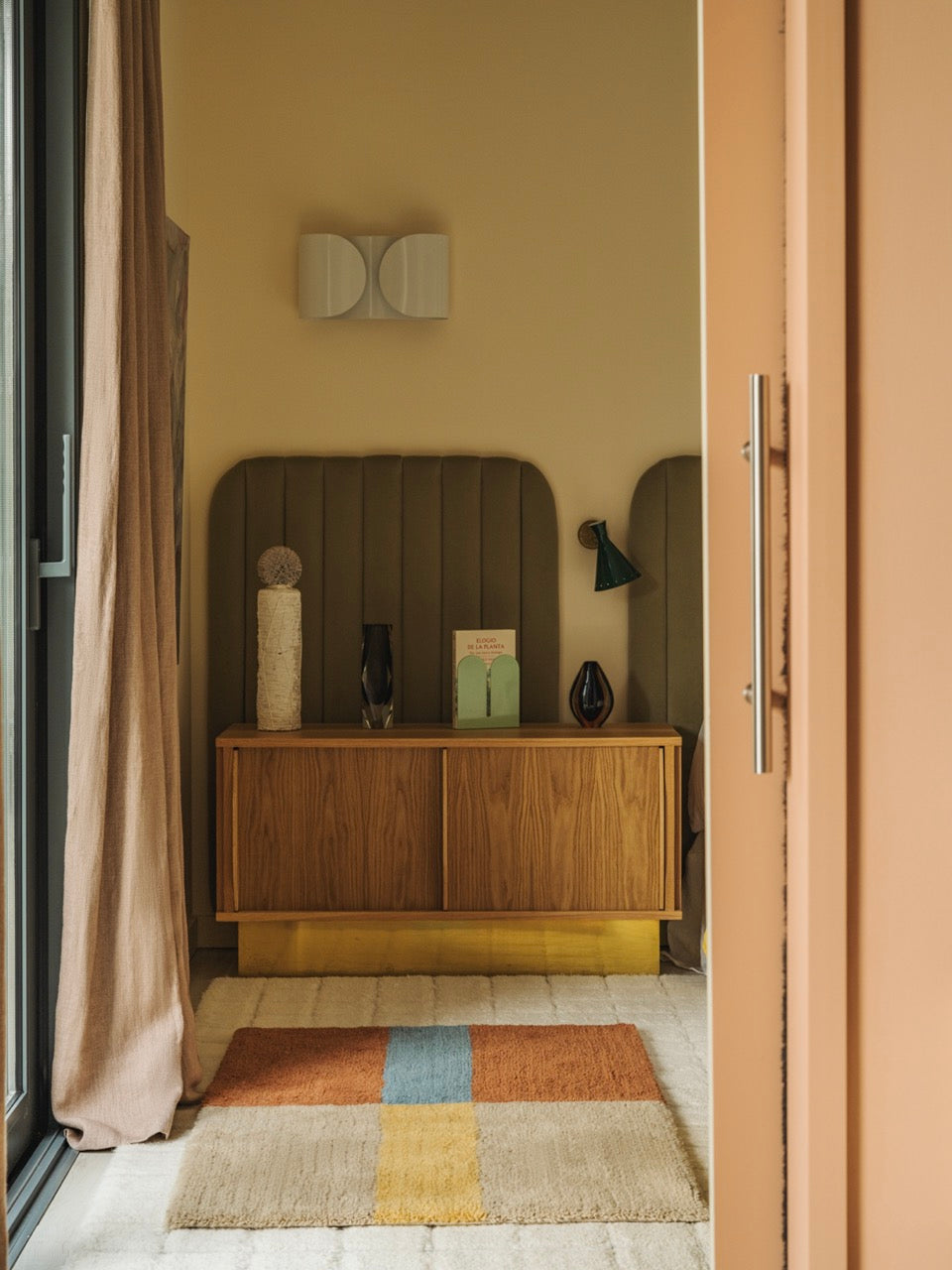
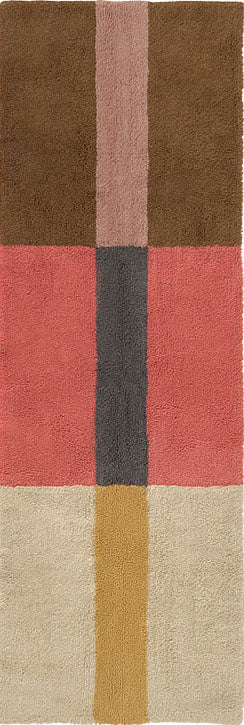
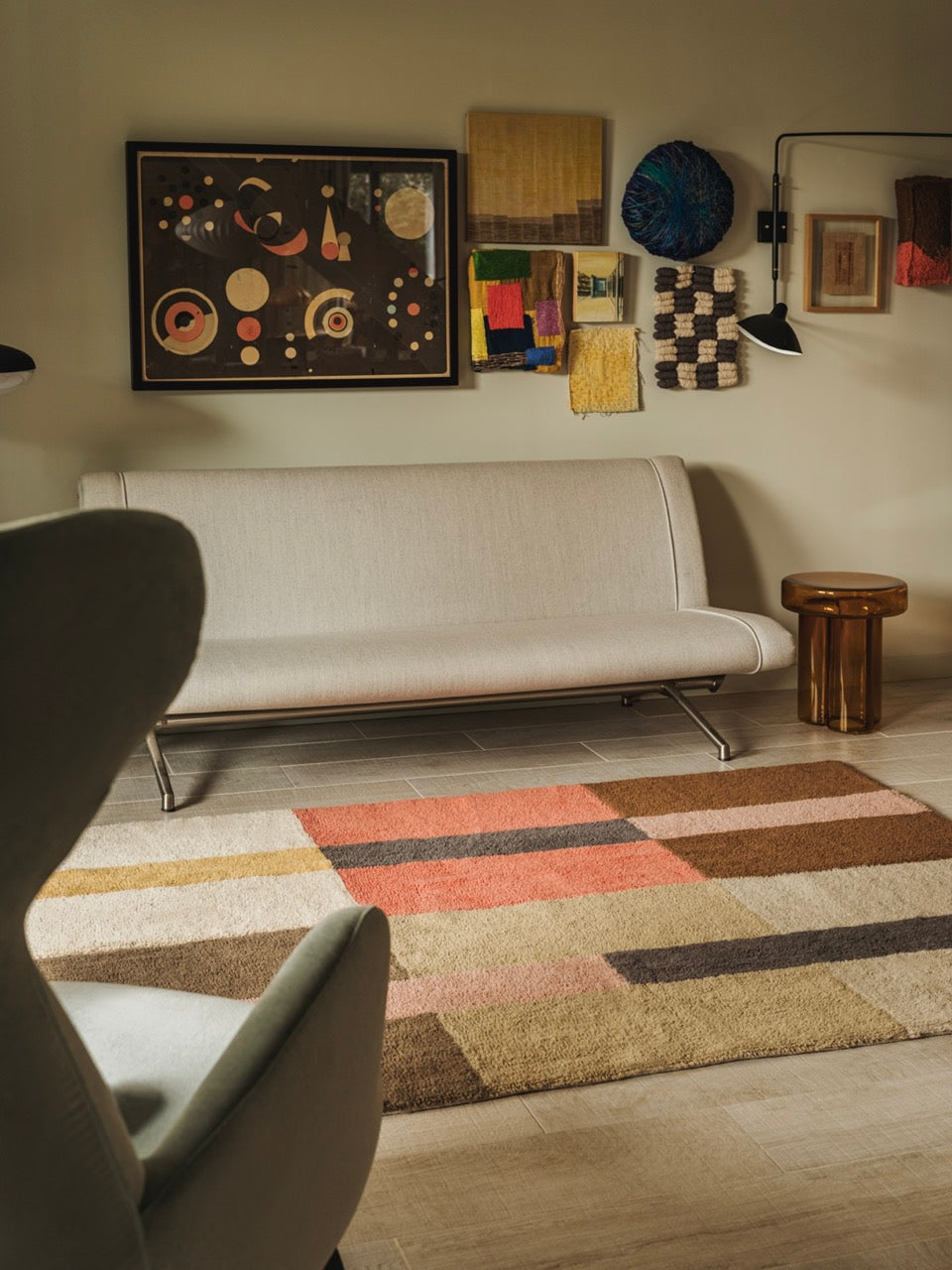
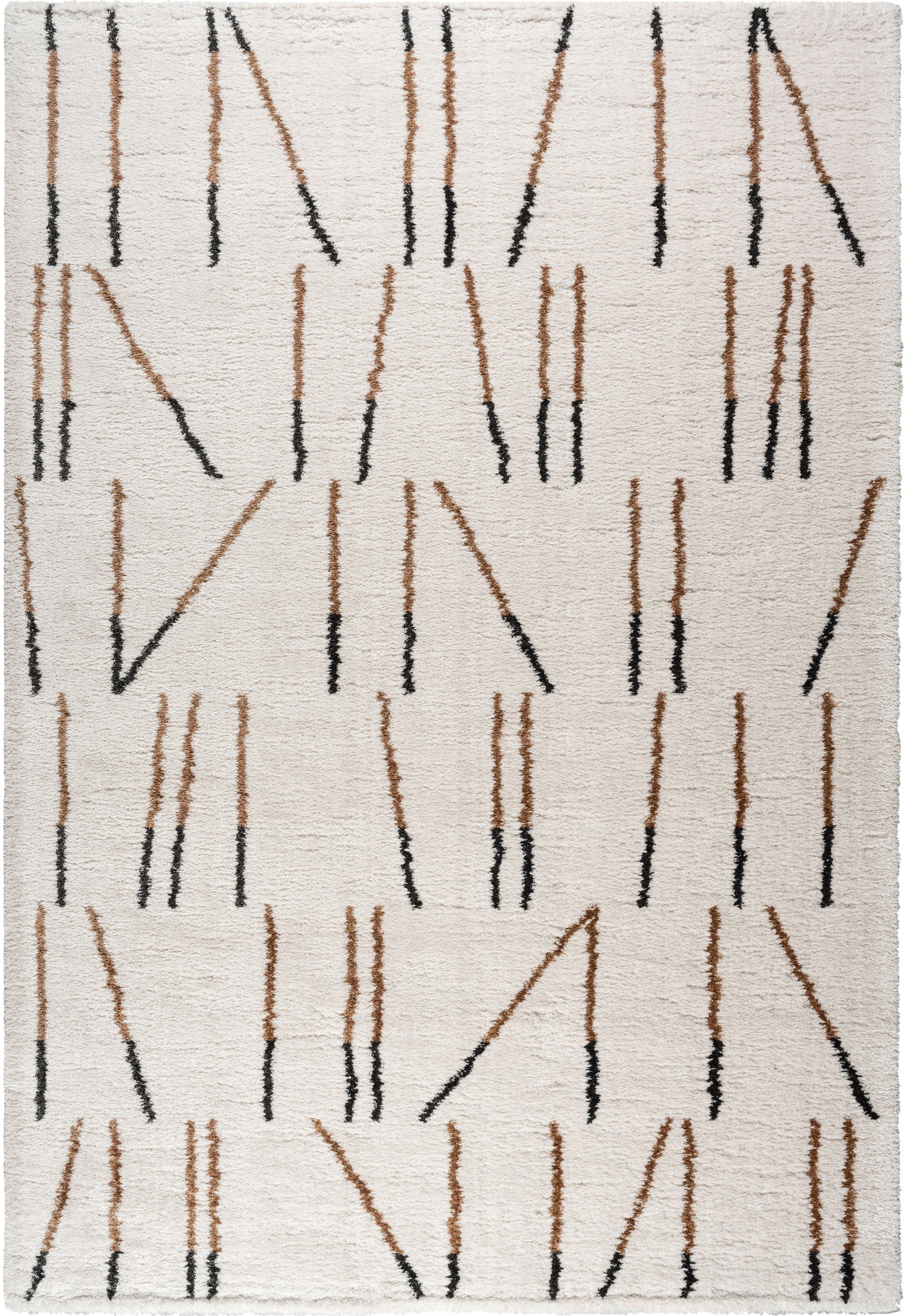
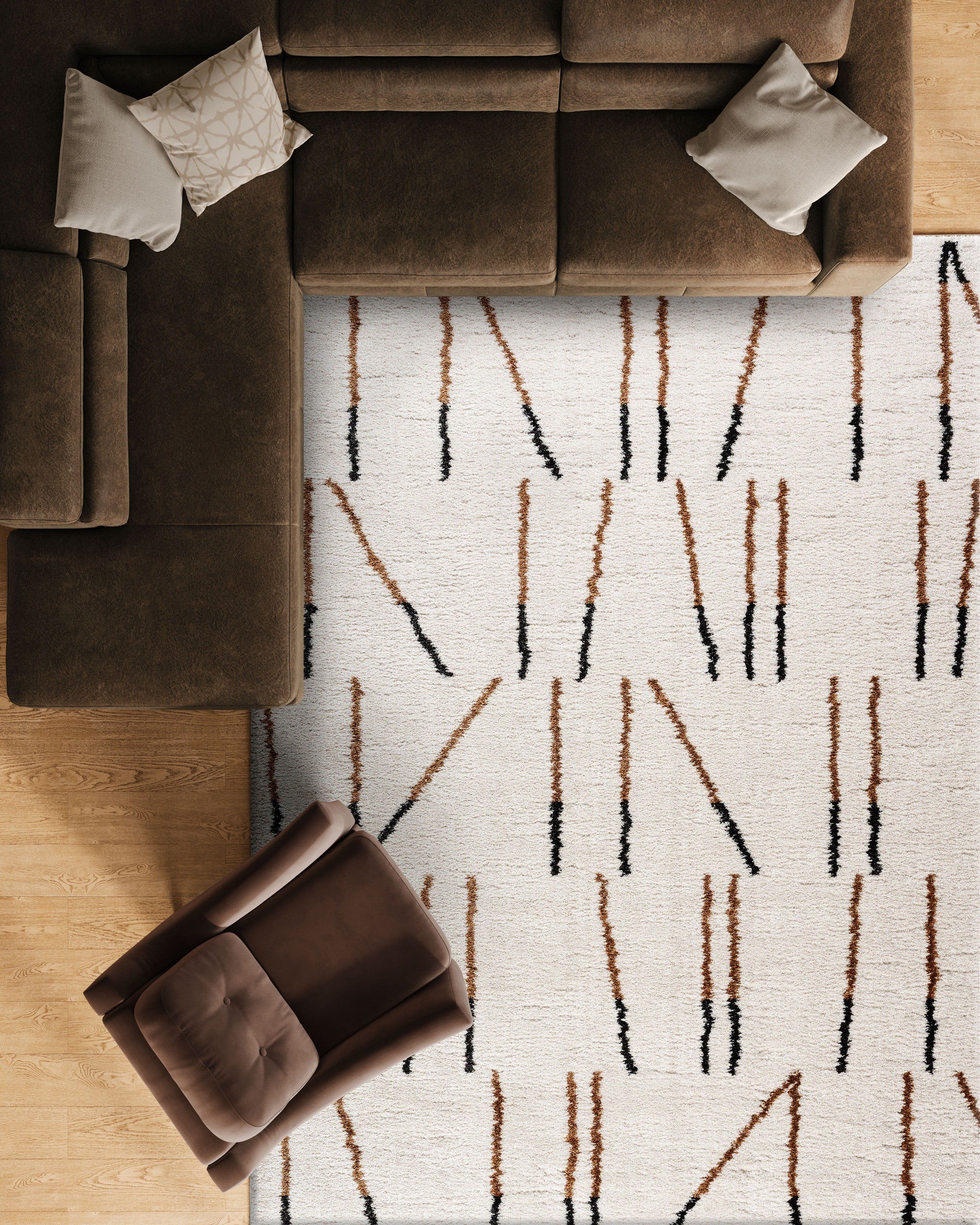


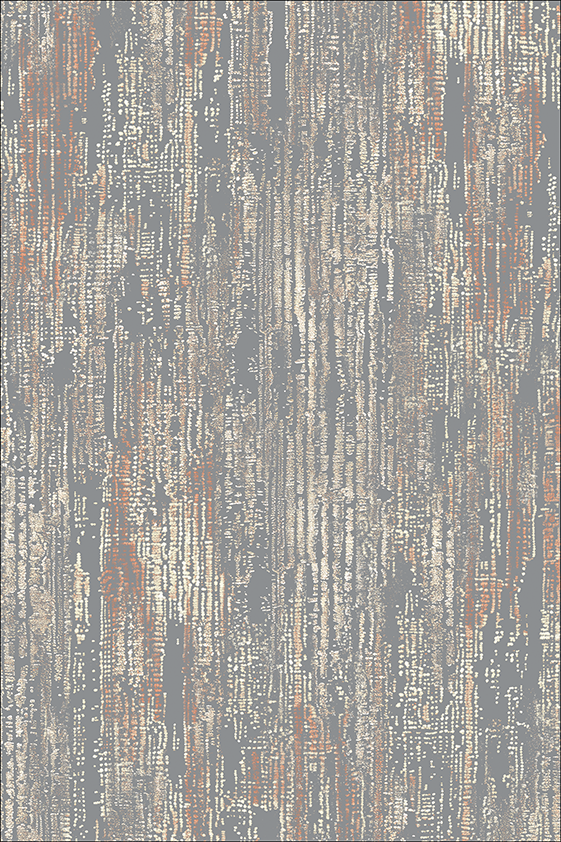
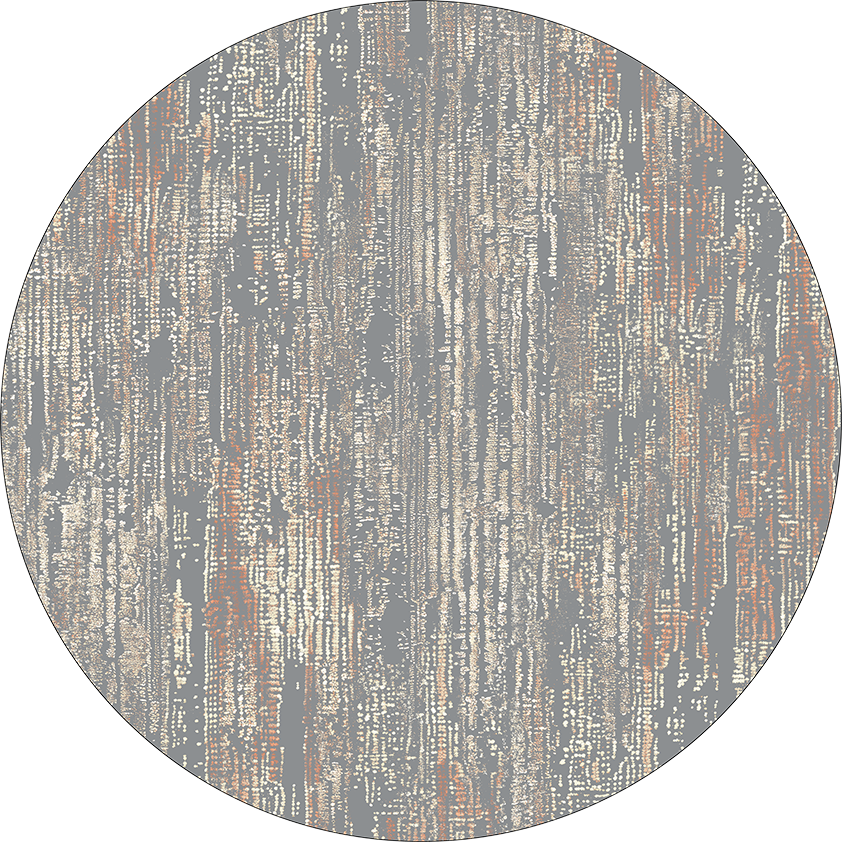
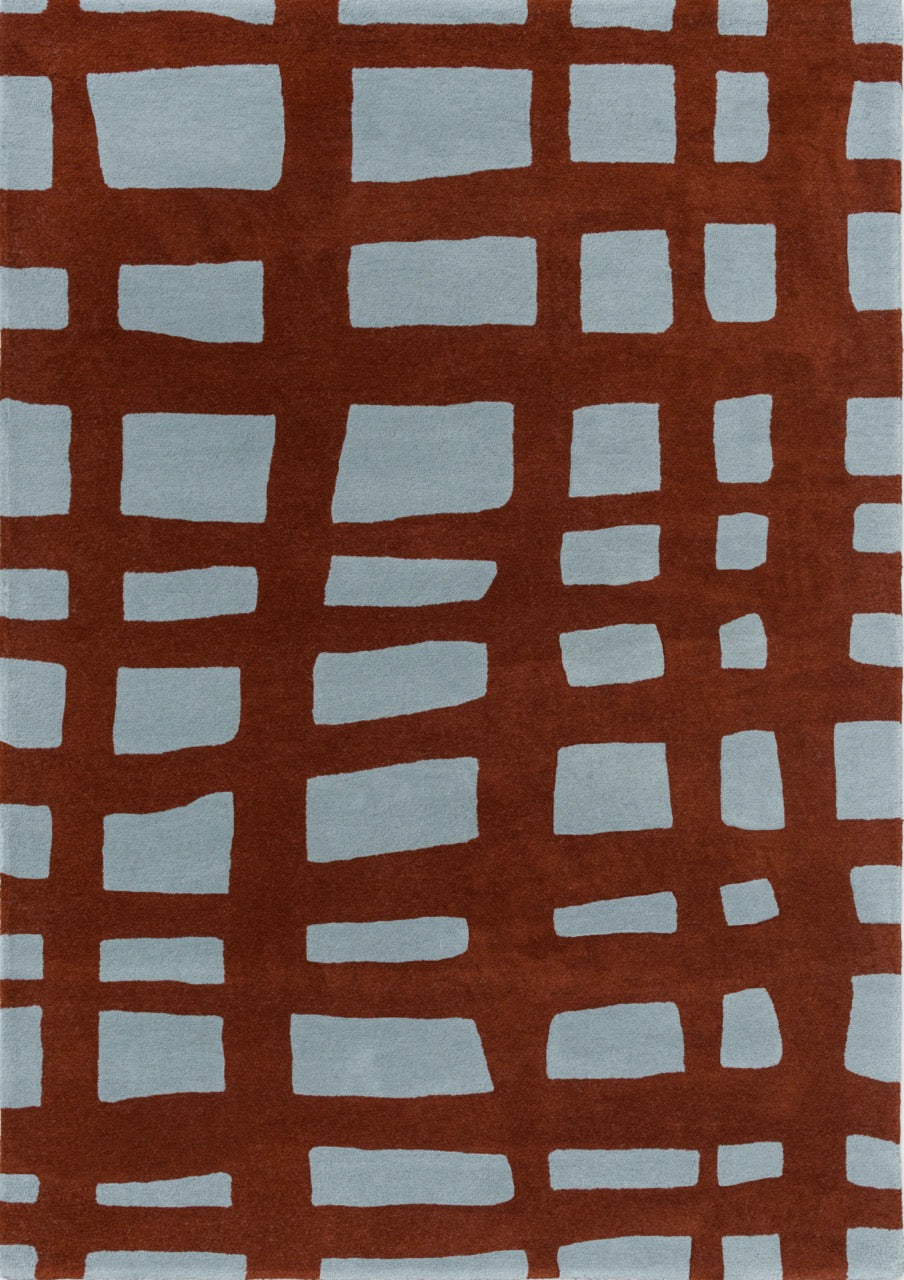
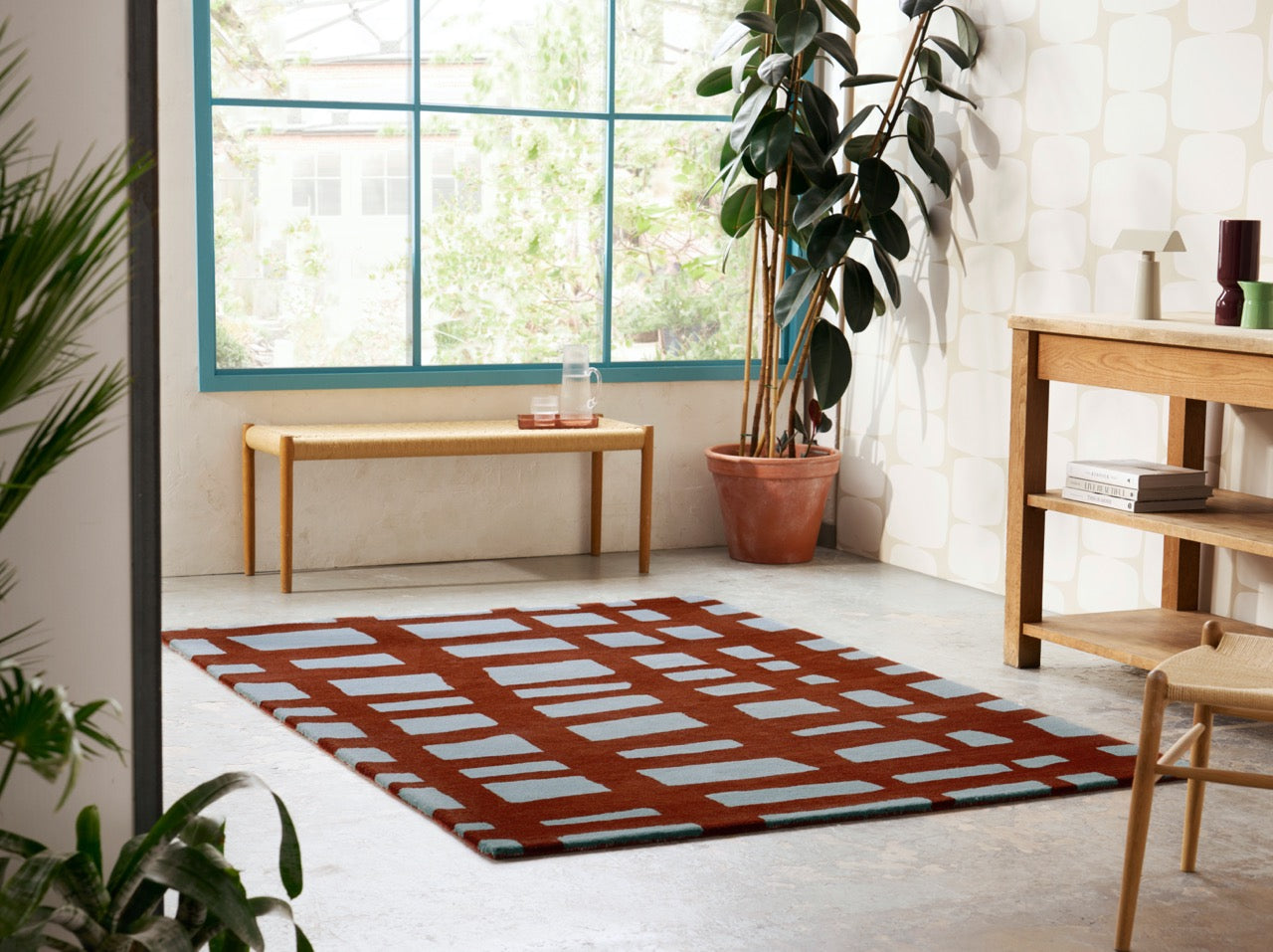
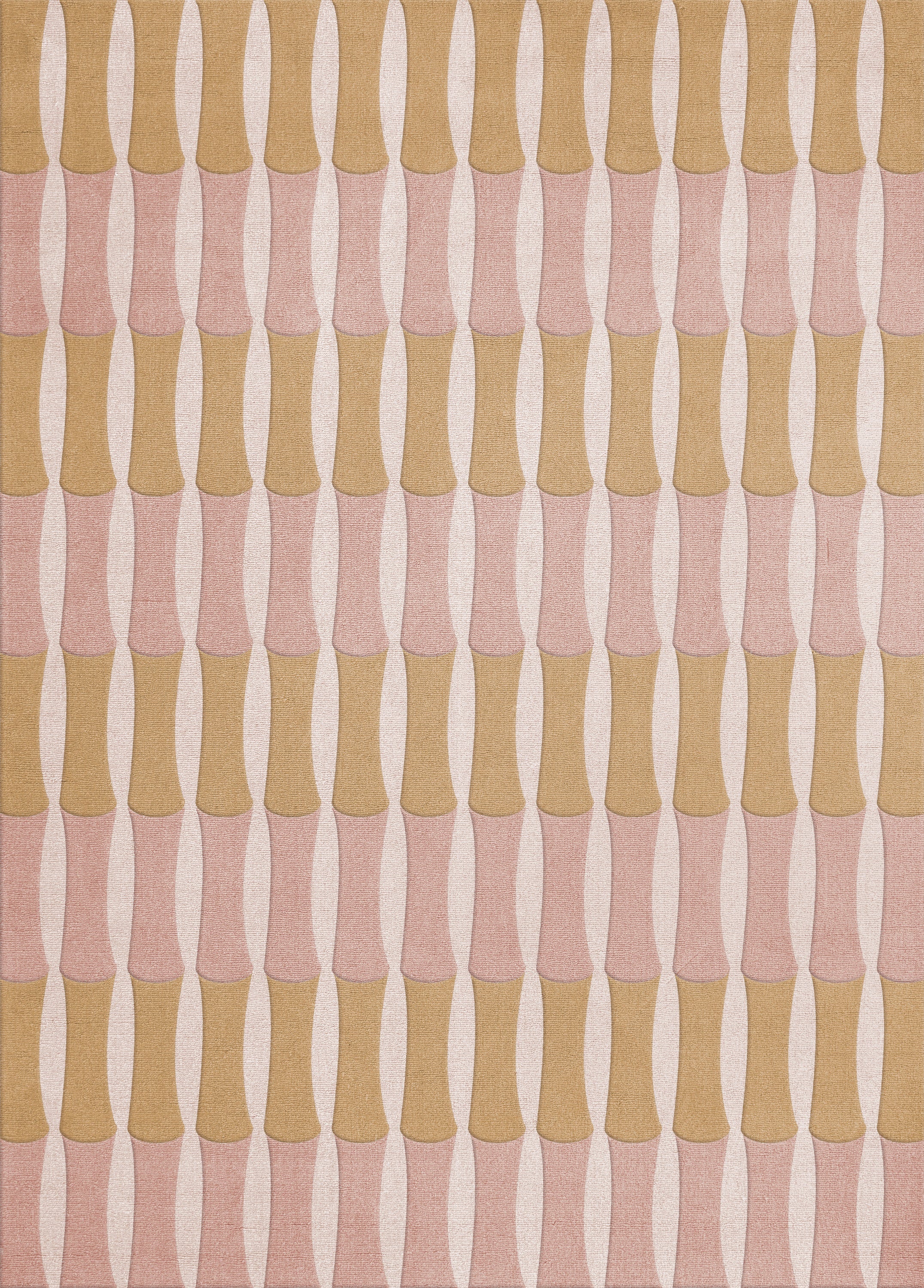
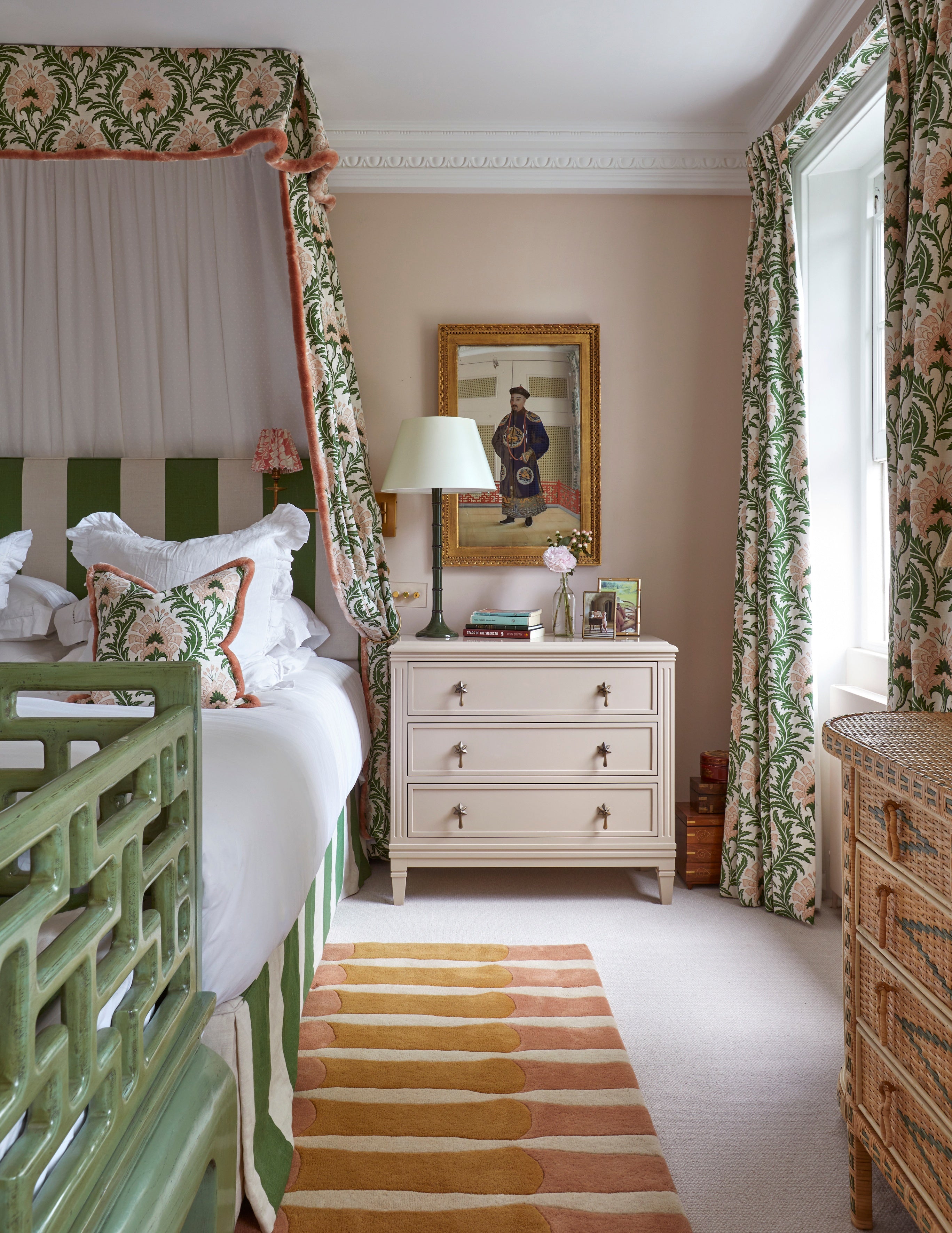


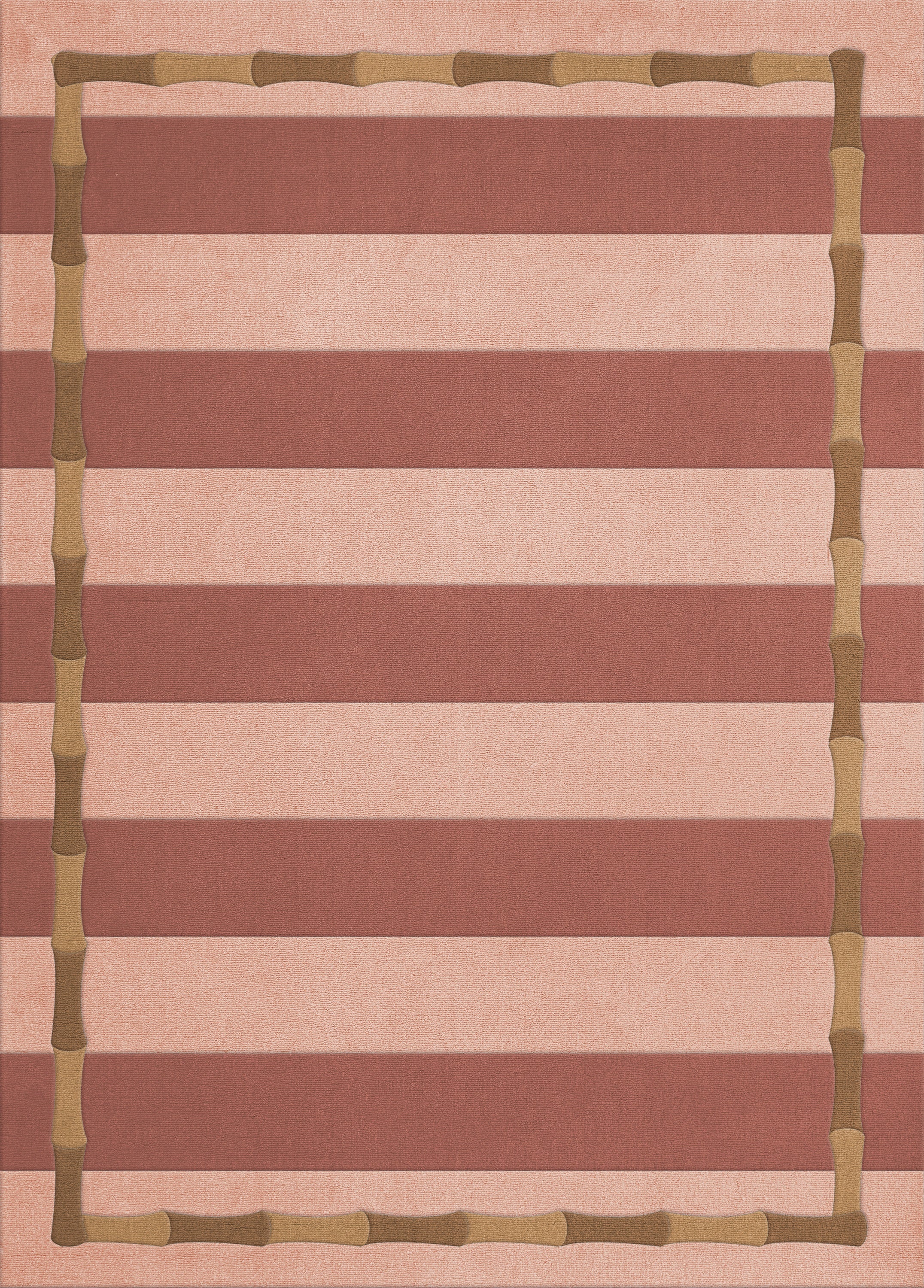
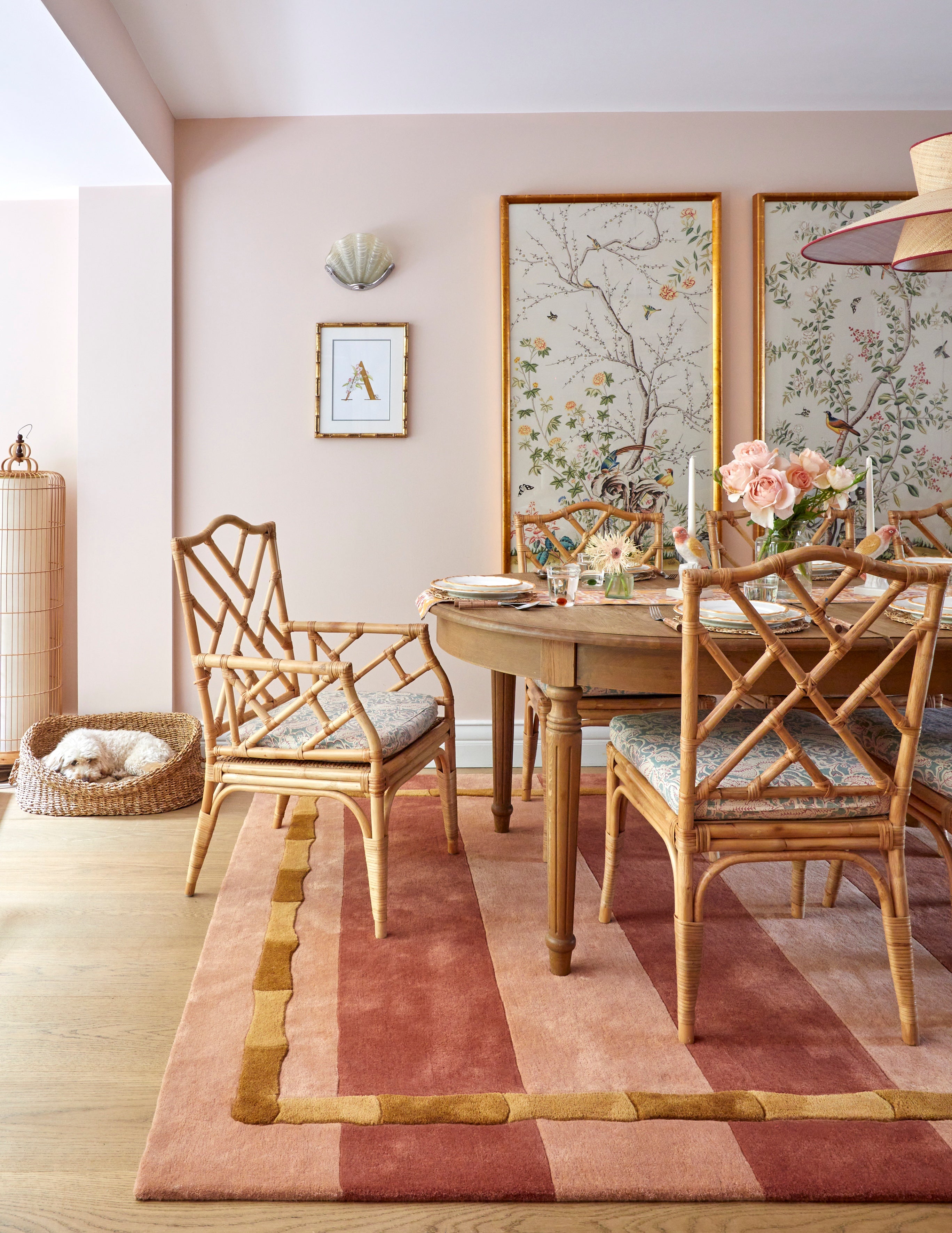


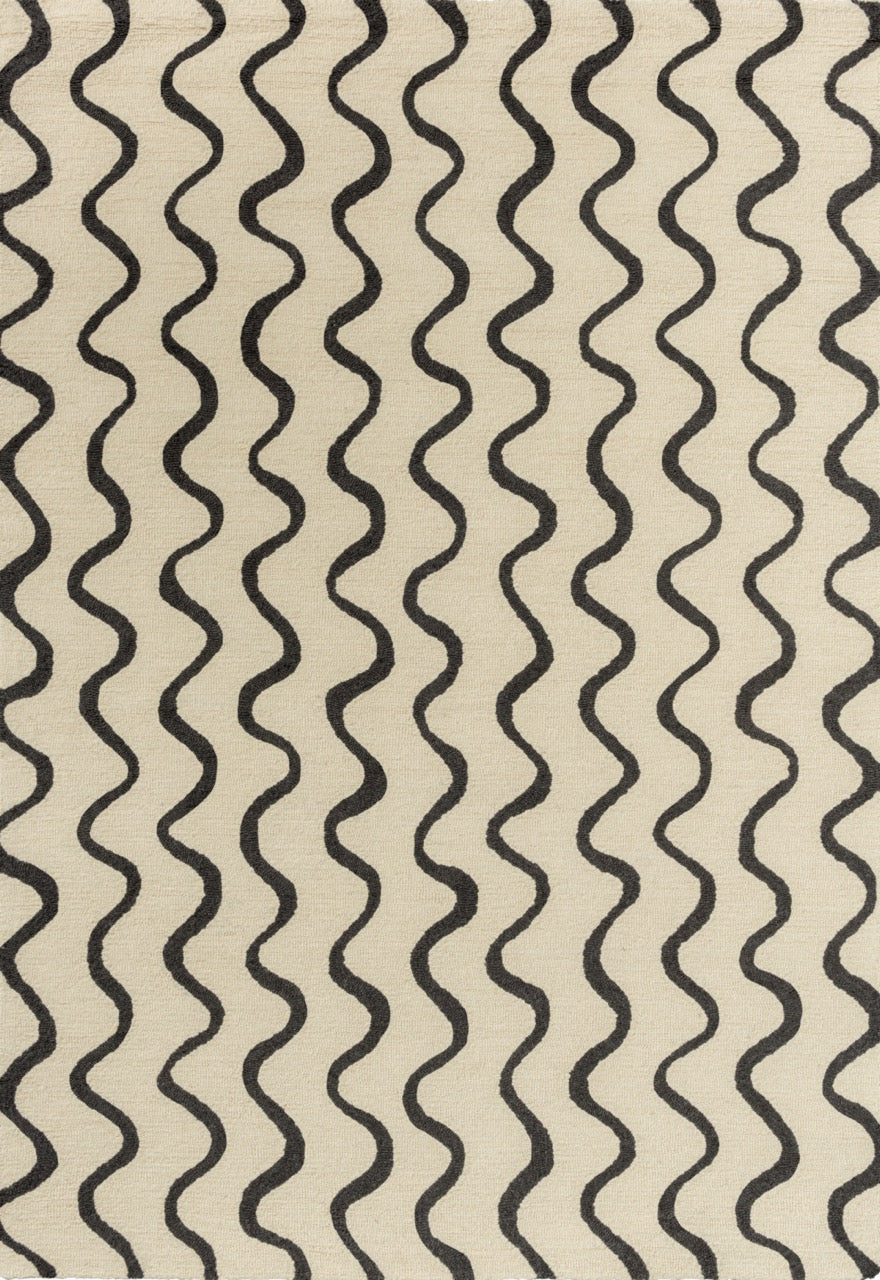


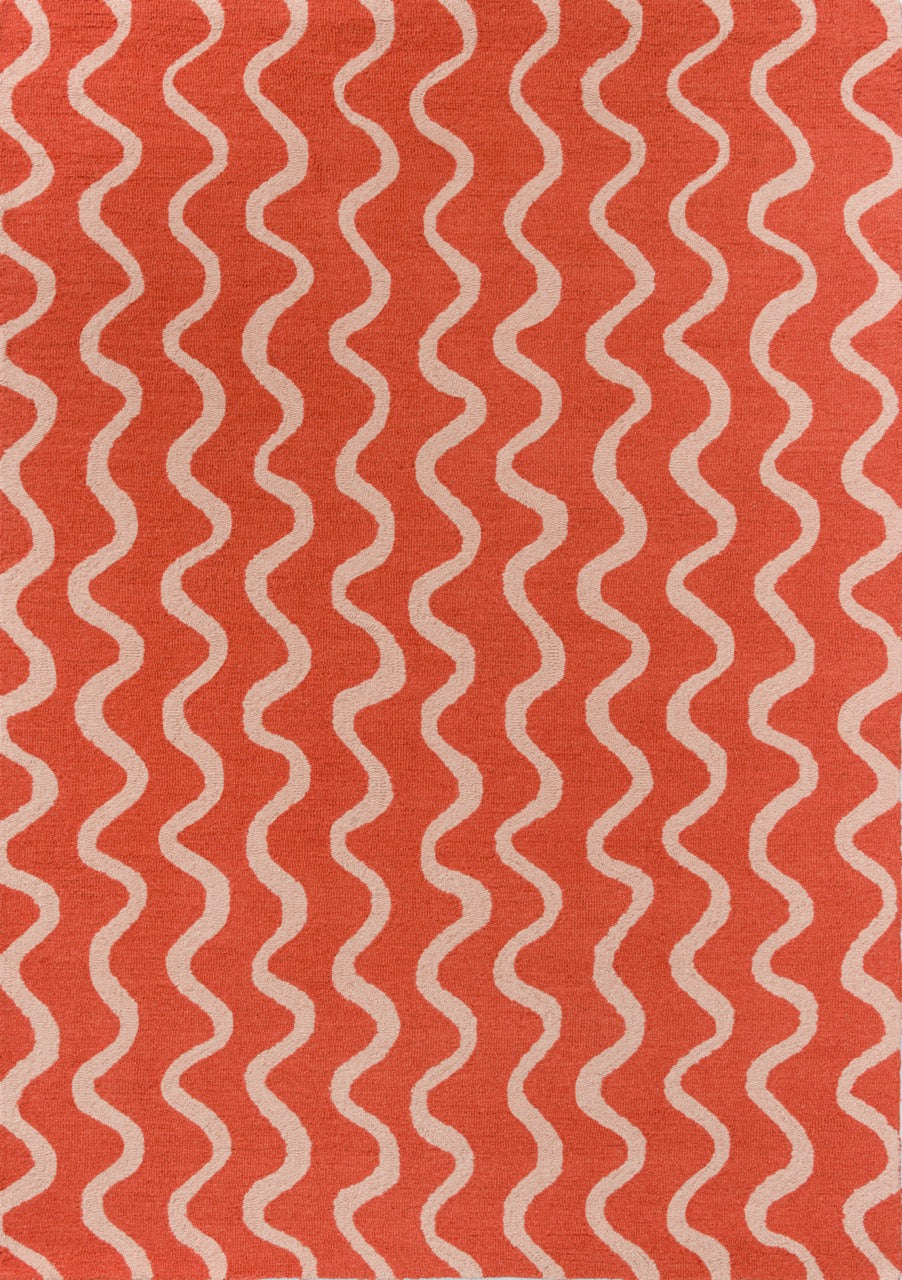

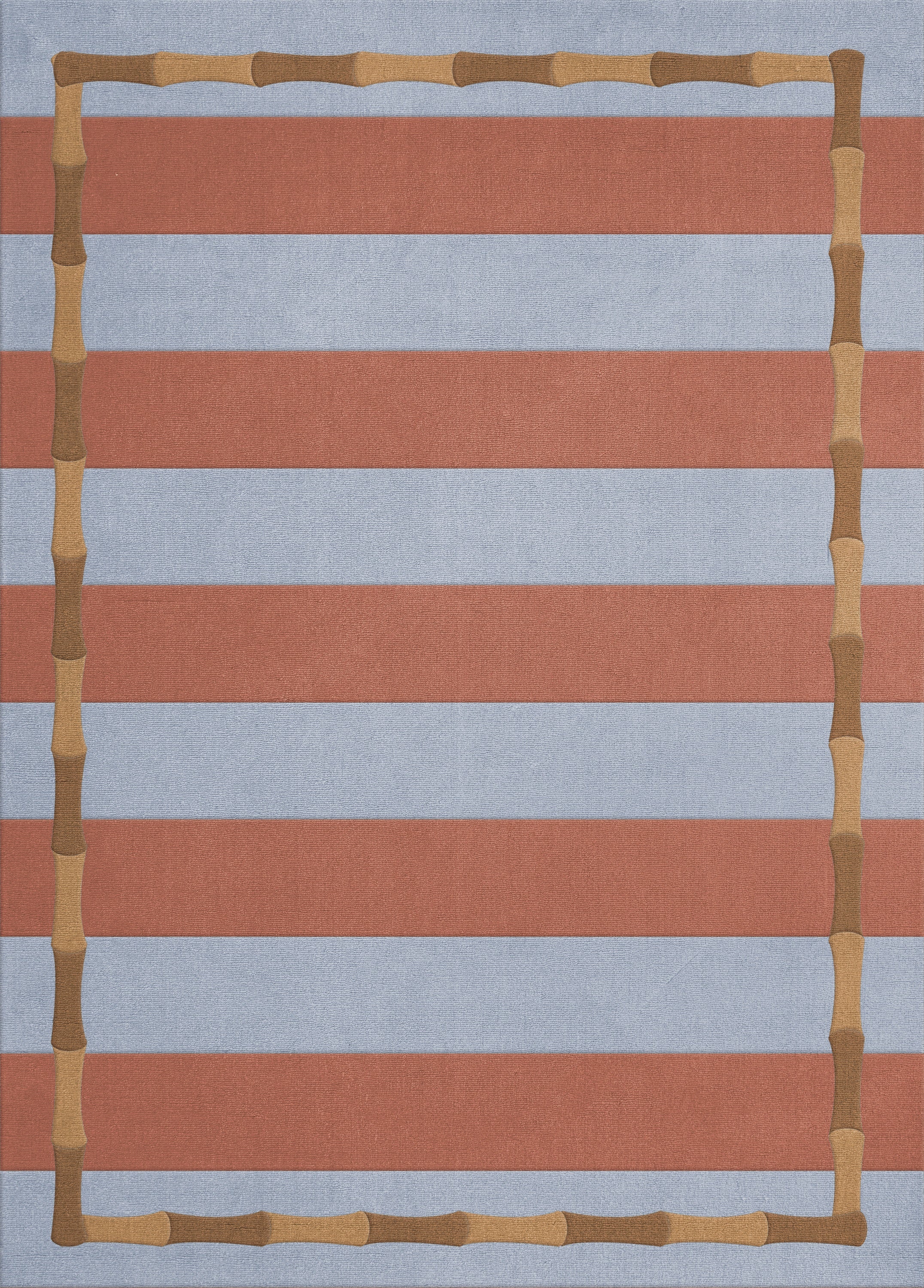
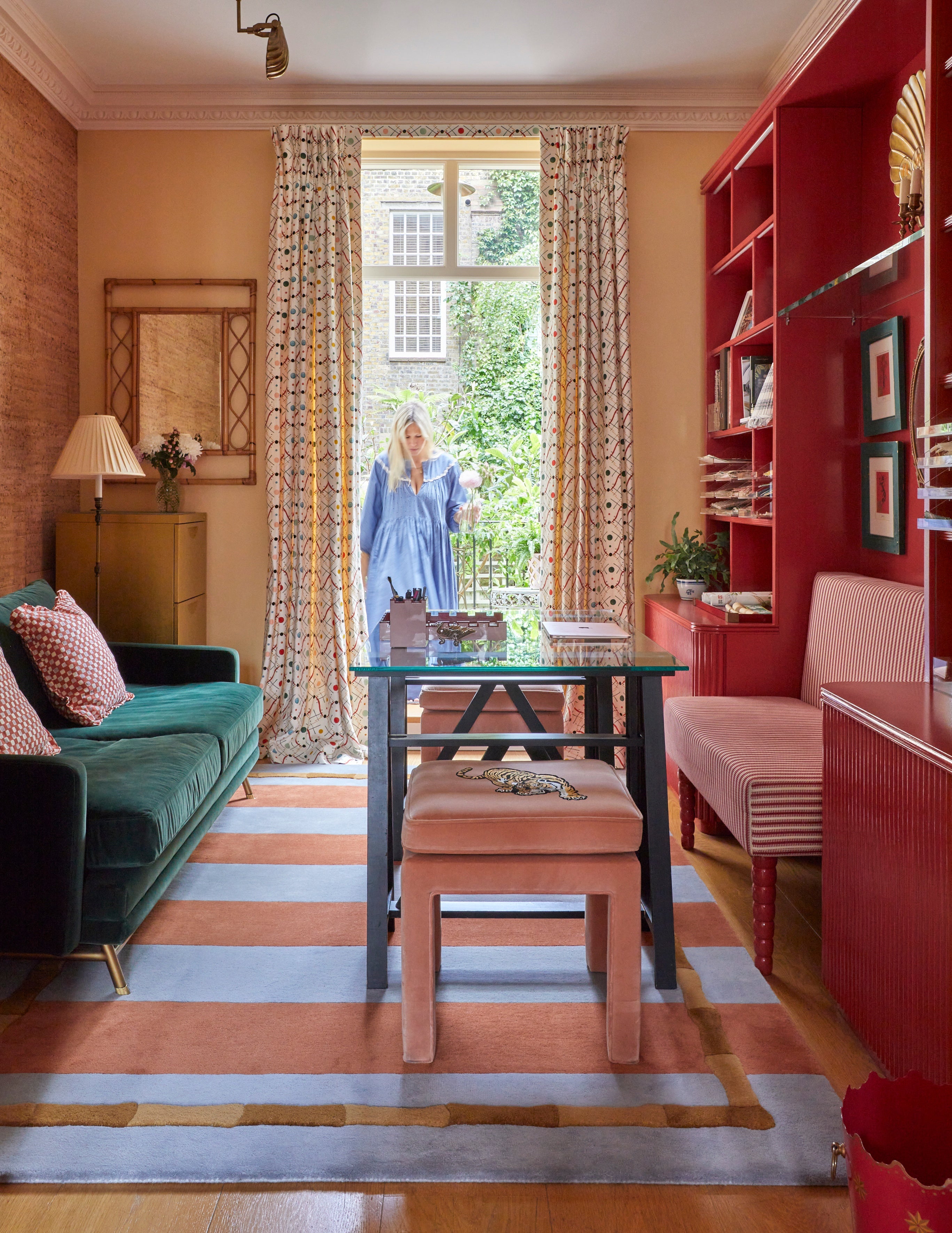


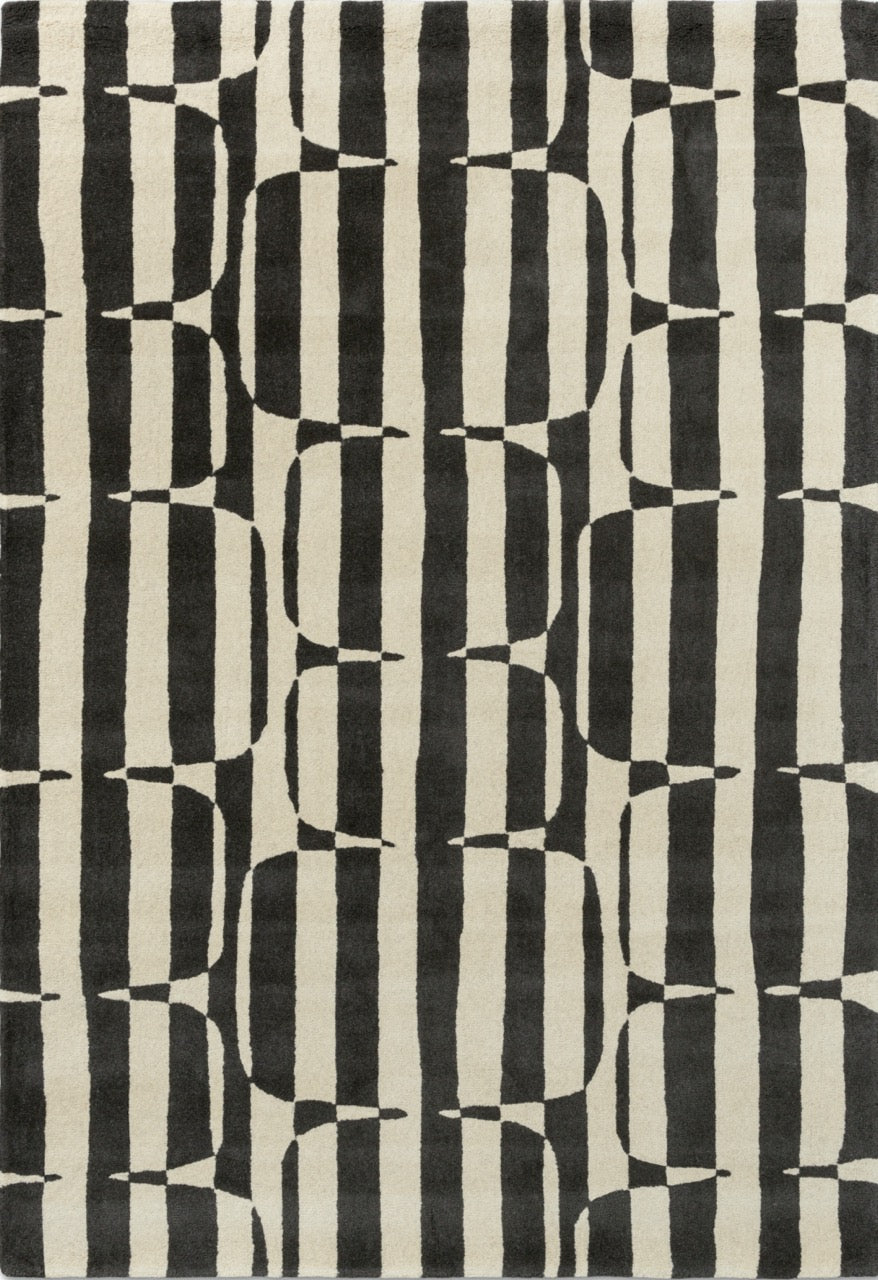
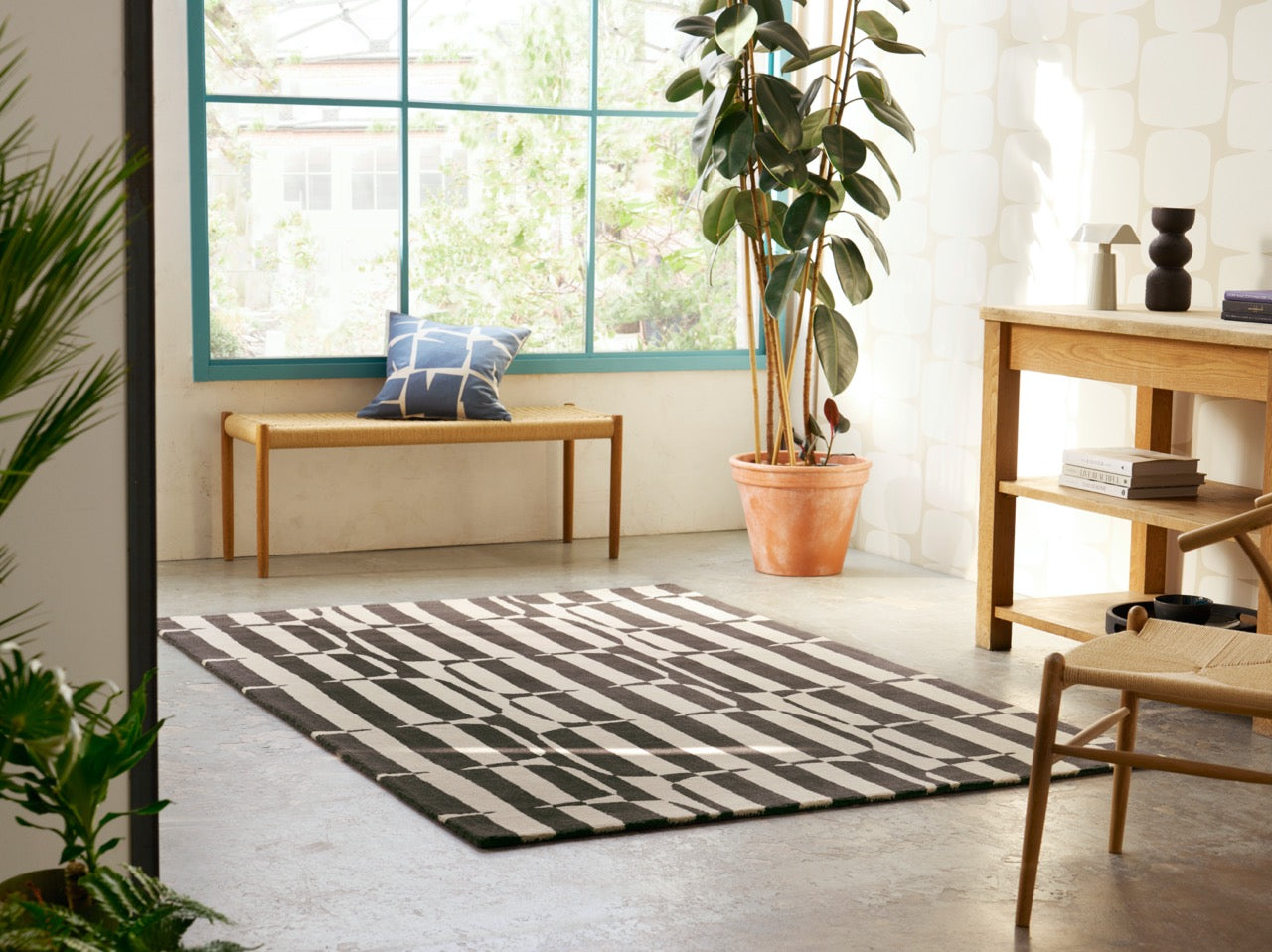
Striped Rugs: The Pattern That Guides the Eye
There's a reason stripes show up everywhere from nautical design to Parisian apartments. They create movement without demanding attention, guiding the eye in ways that feel natural rather than forced. A striped rug can make a narrow hallway feel wider, a low-ceilinged room feel taller, or a bland space feel more intentional. It's not about decoration. It's about using pattern to shape how a room reads.
The beauty of stripes lies in their simplicity. Unlike florals or intricate geometrics, stripes don't compete for attention. They work quietly in the background, adding structure and rhythm without overwhelming. This makes them remarkably versatile, equally at home in a minimalist Scandinavian living room, a coastal bedroom, or a contemporary dining space. The pattern adapts rather than dictates.
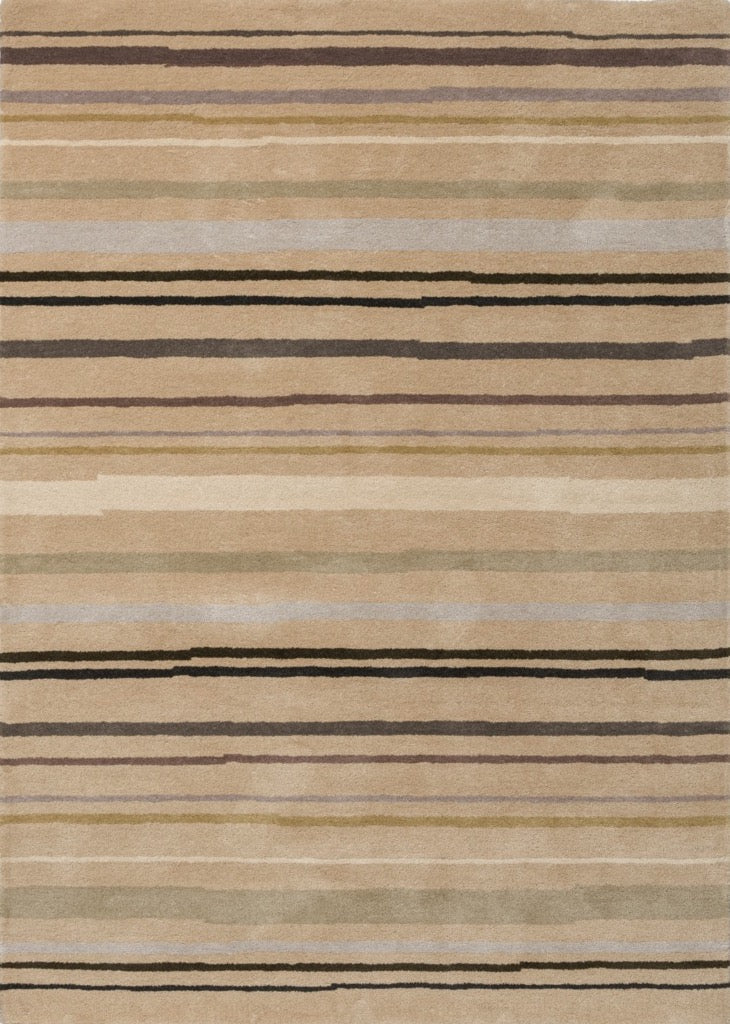
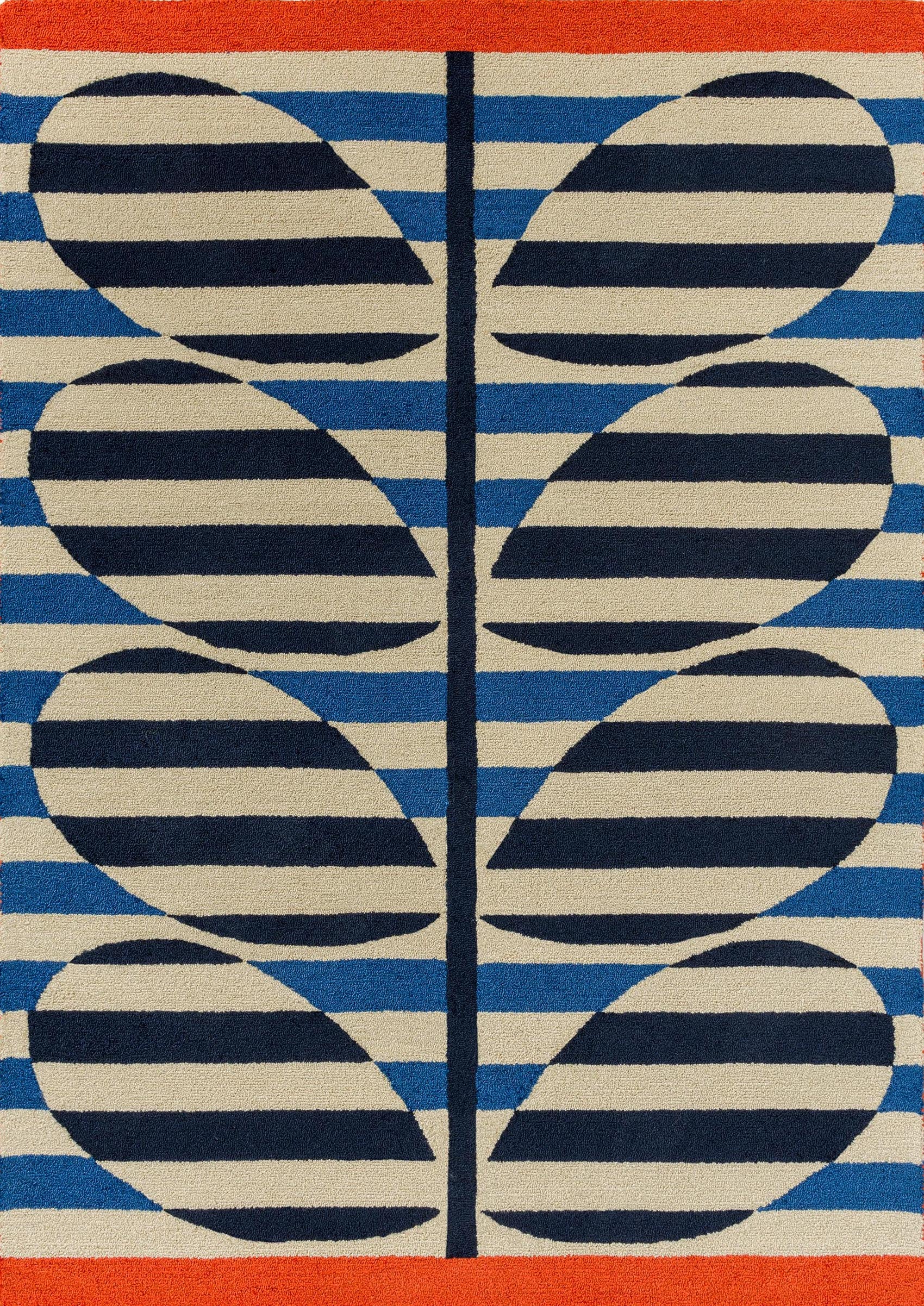
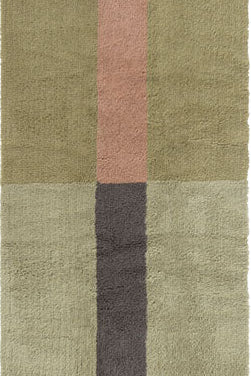
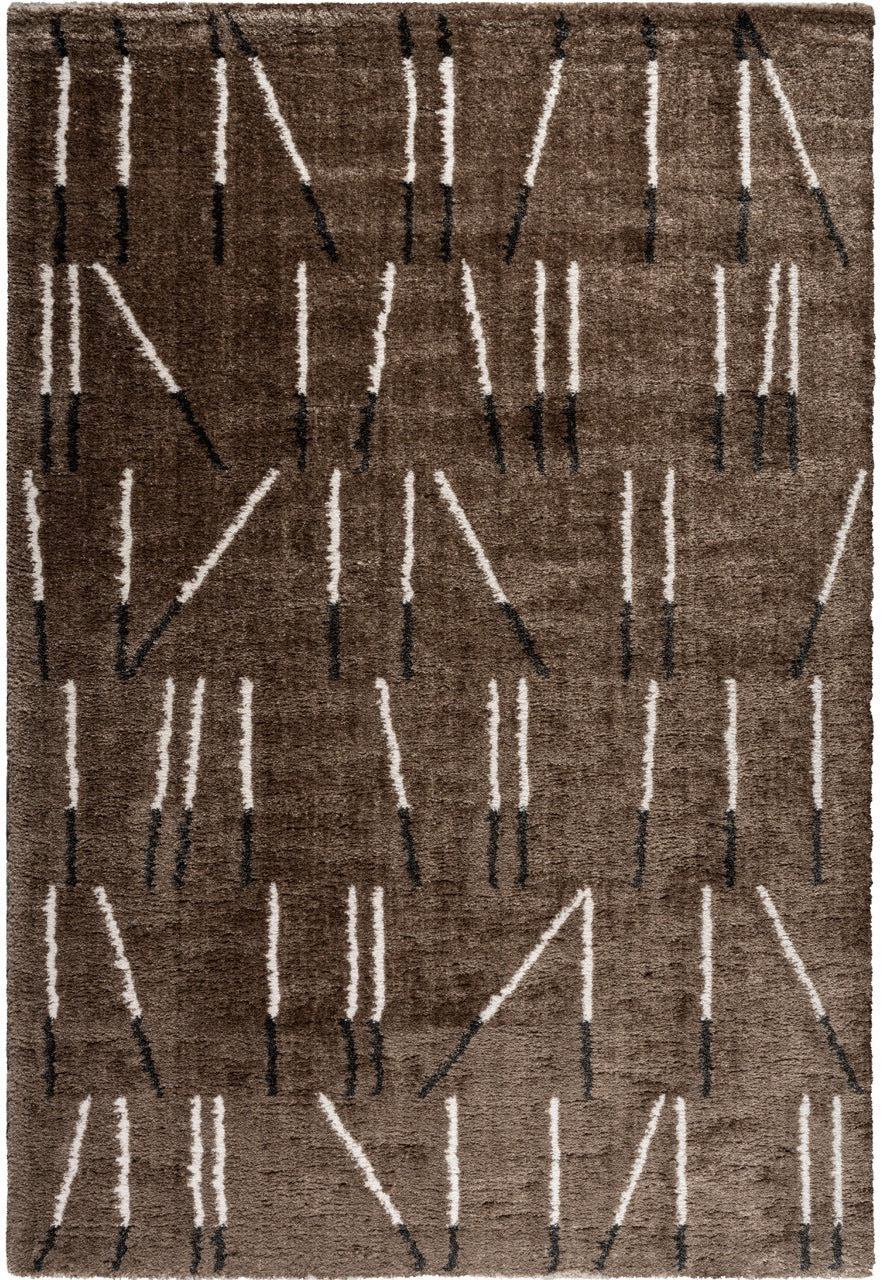
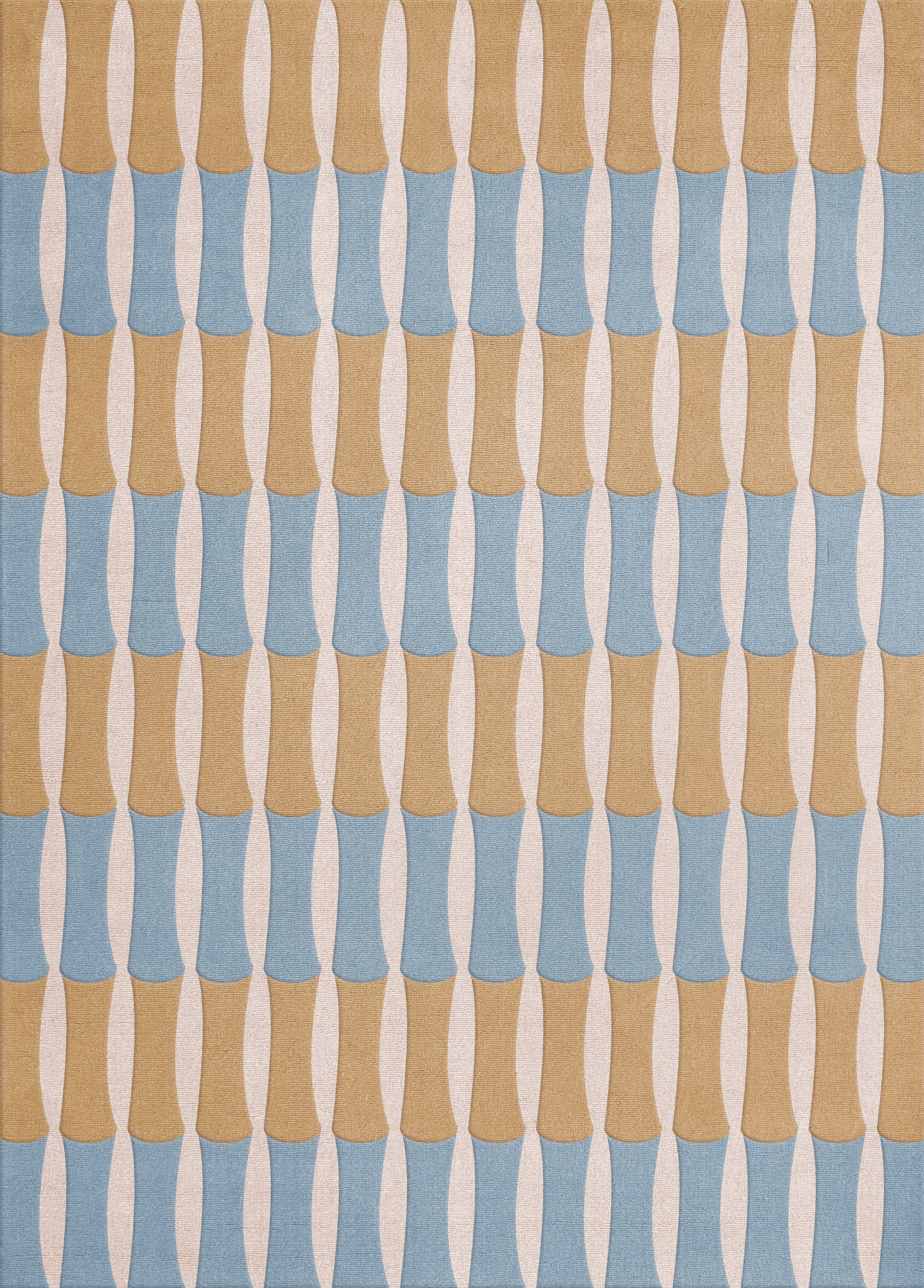
Our striped rug collection spans the full range. Bold black-and-white designs that create graphic impact. Soft, tonal variations in greys and beiges that add texture without colour. Handwoven pieces with irregular lines that feel organic rather than rigid. Each rug understands that stripes aren't just about aesthetics, they're about creating visual flow and making spaces feel more considered.
What Stripes Actually Do
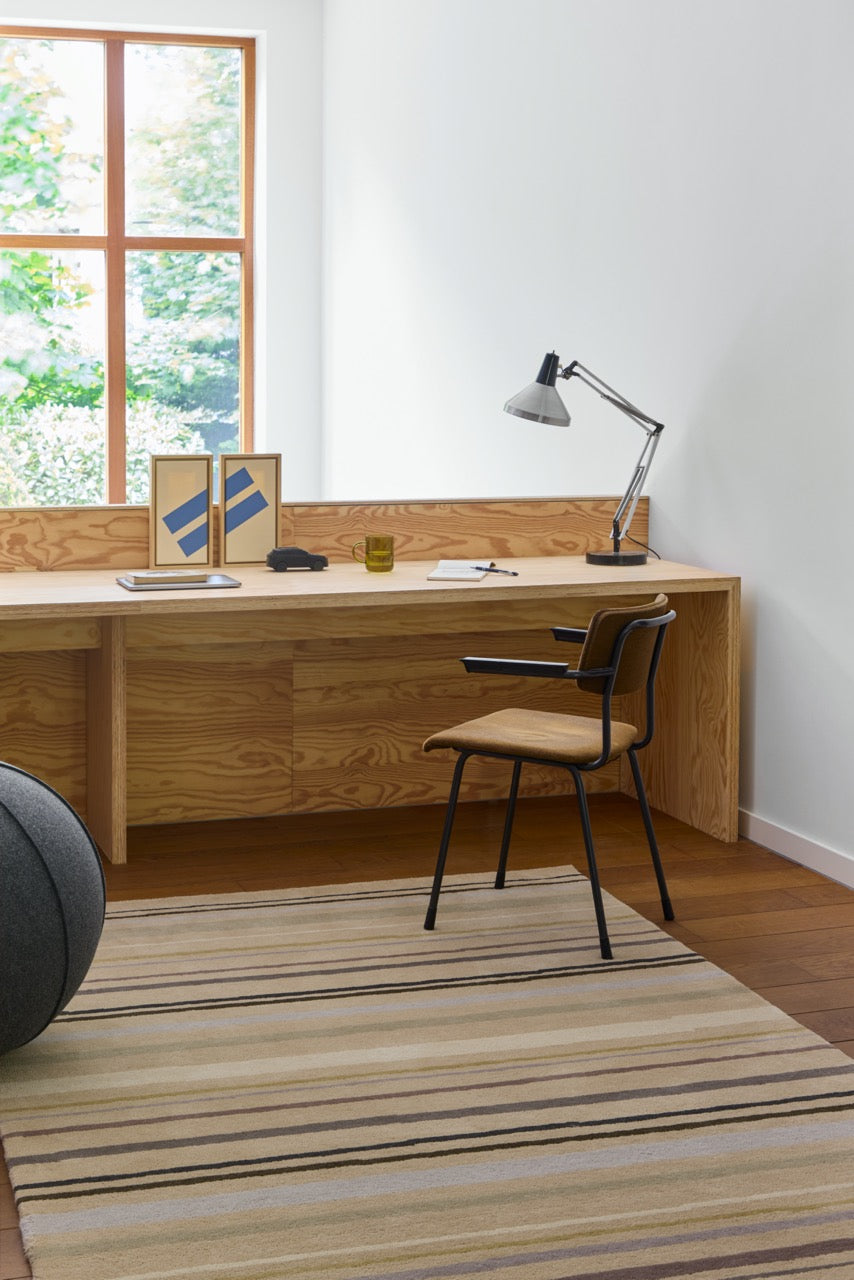
Horizontal stripes pull the eye sideways, which makes a room feel broader. If you've got a narrow living room or a hallway that feels like a tunnel, a rug with horizontal stripes running the width of the space counteracts that. The room doesn't physically change, but the perception does. It feels more balanced, less cramped.
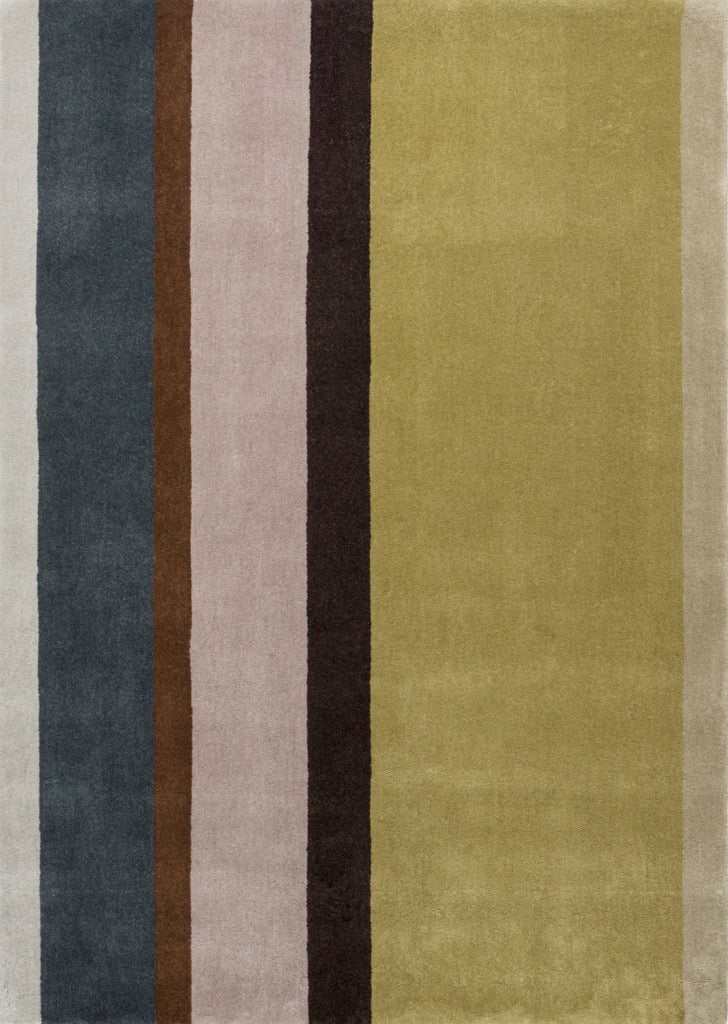
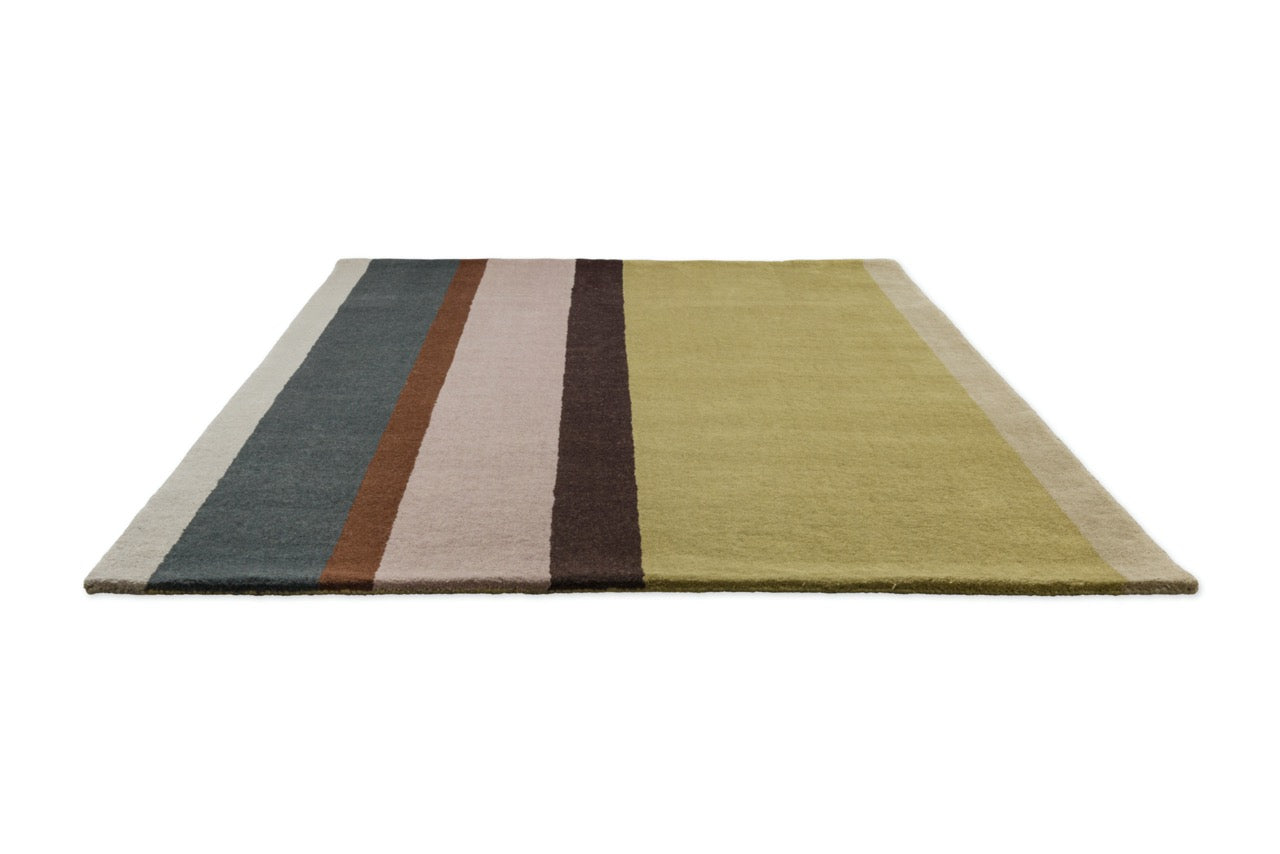
Vertical stripes work the opposite way, drawing the eye upward and creating the illusion of height. This matters in rooms with low ceilings or spaces where you want to add a sense of airiness. The stripes don't need to be bold to work, even subtle tonal variations create enough visual pull to change how the room feels.
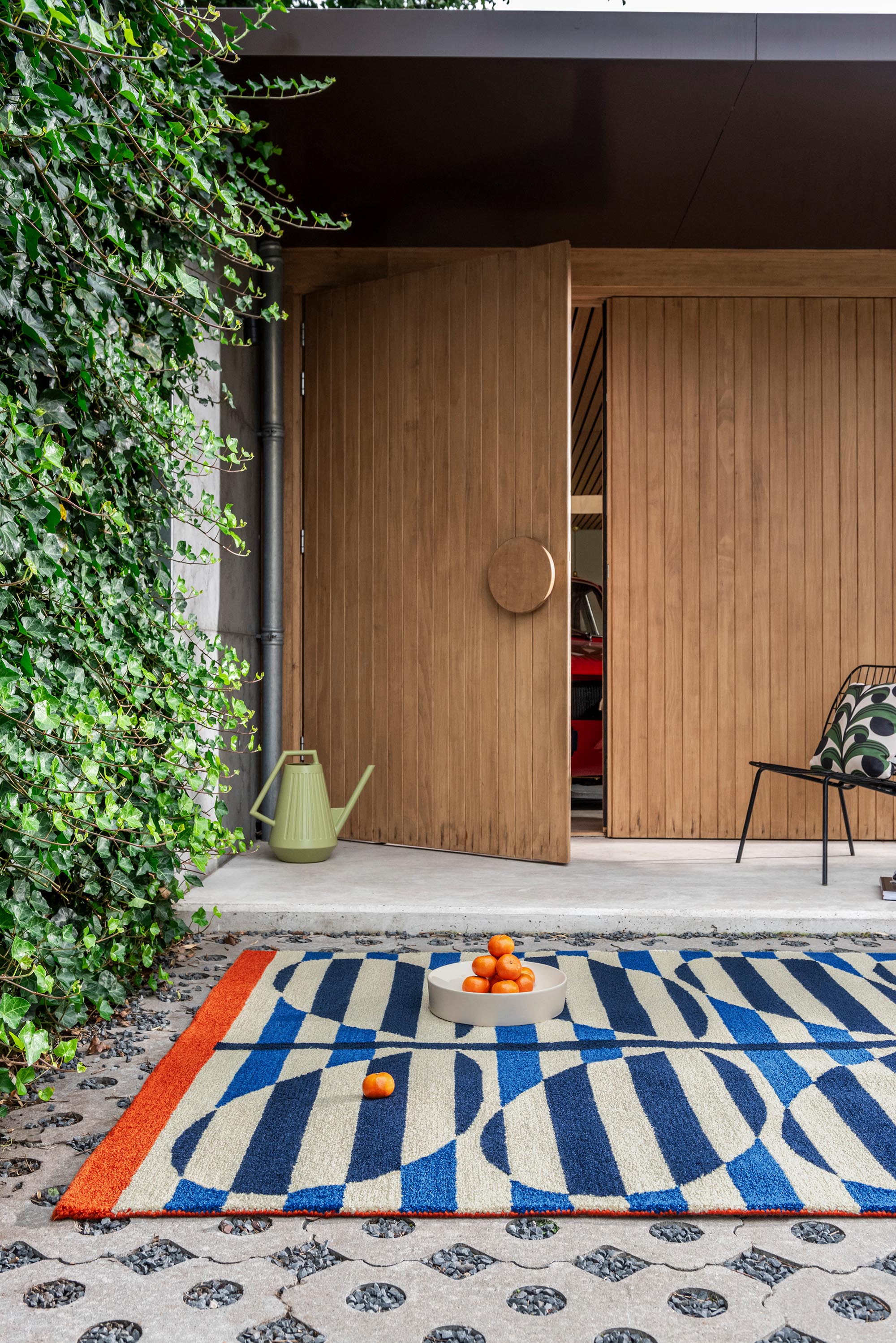
Then there's contrast, which determines whether stripes whisper or shout. High-contrast combinations, think navy and white, or black and cream, create bold, graphic statements. These work when you want the rug to be a focal point, anchoring a room with clean, modern furniture. Lower contrast stripes, varying shades of grey, or beige on cream, add depth and texture without dominating. They're the choice when you want pattern but need it to stay in the background.
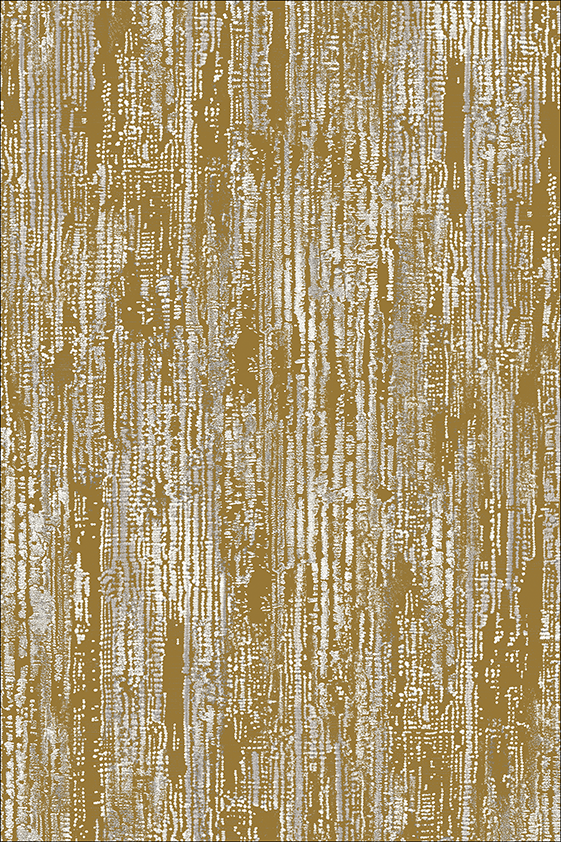
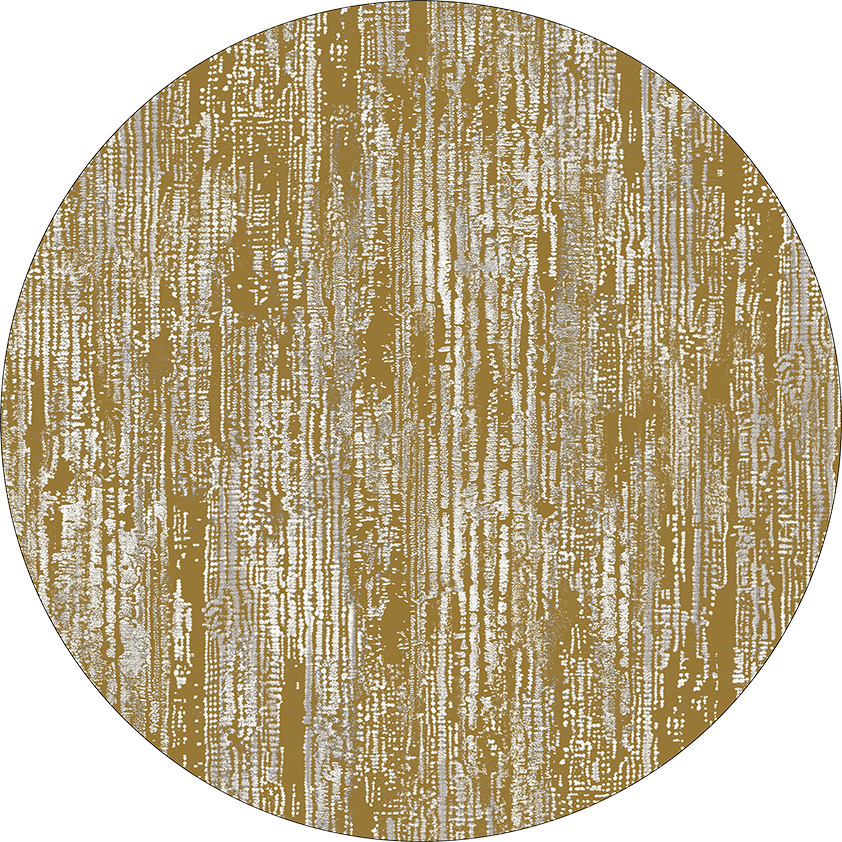
Stripe width changes everything too. Thin stripes feel refined and delicate, suited to spaces where subtlety matters. Wide stripes read as bolder and more casual, working in relaxed, contemporary interiors. Irregular widths, common in handwoven rugs, introduce an artisanal quality that prevents the pattern from feeling too perfect or manufactured. The variation makes the rug feel collected rather than bought.
Where They Make Sense
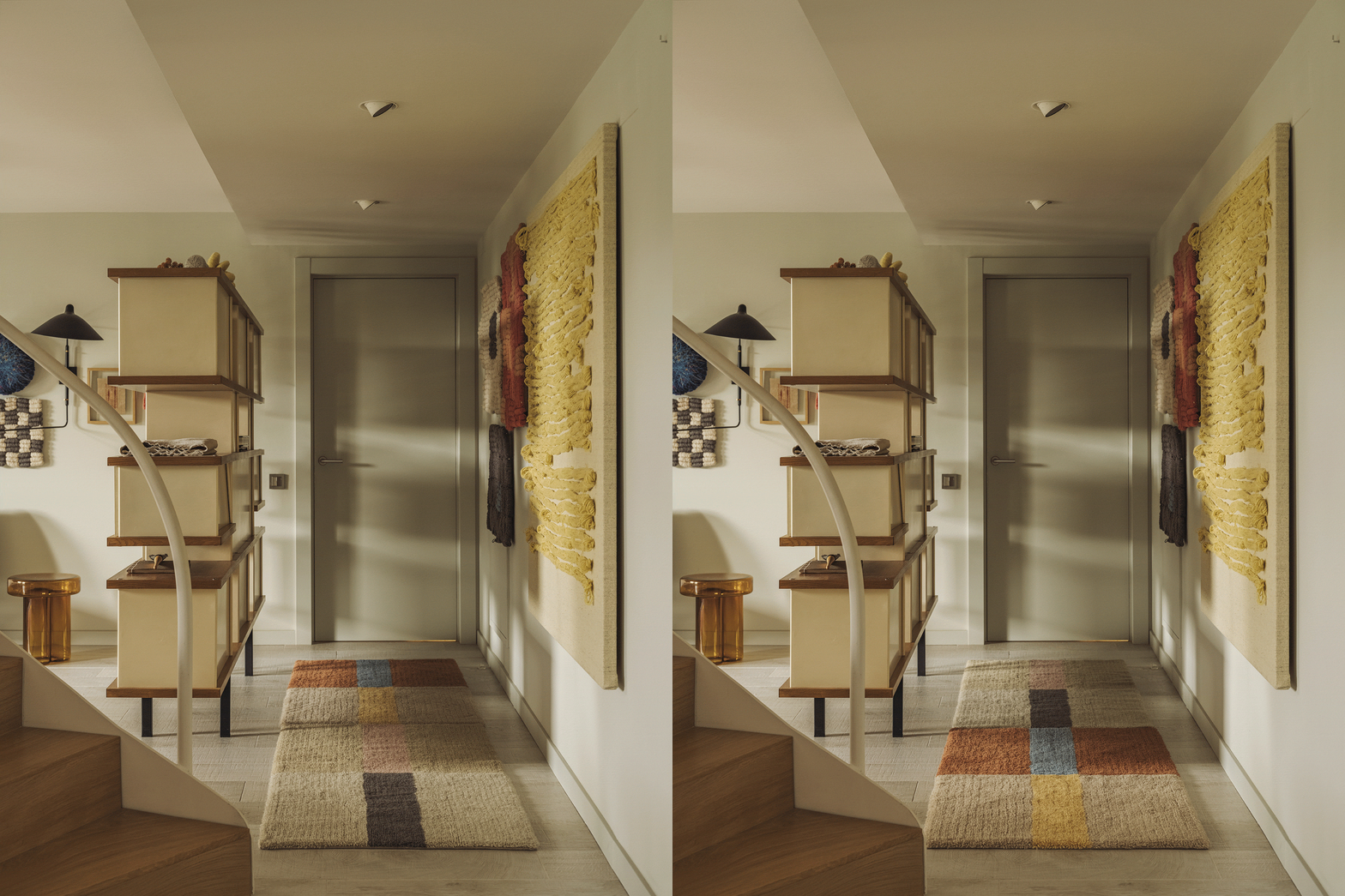
Hallways are natural homes for striped runners. The lines guide movement, creating flow and making transitional spaces feel intentional rather than utilitarian. A runner with stripes running lengthwise draws the eye forward, making the hallway feel longer and more welcoming. It's a simple trick, but it works.
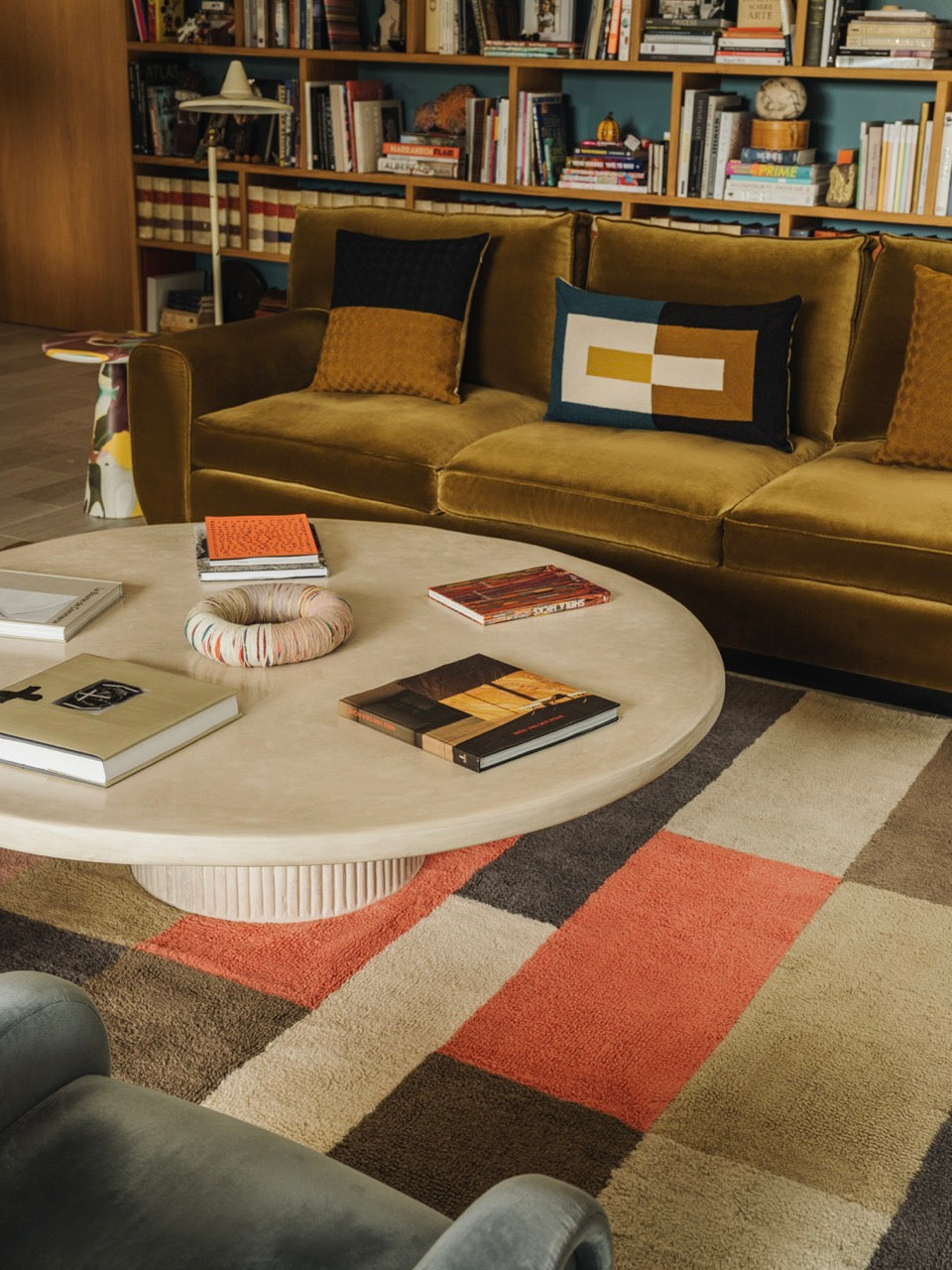
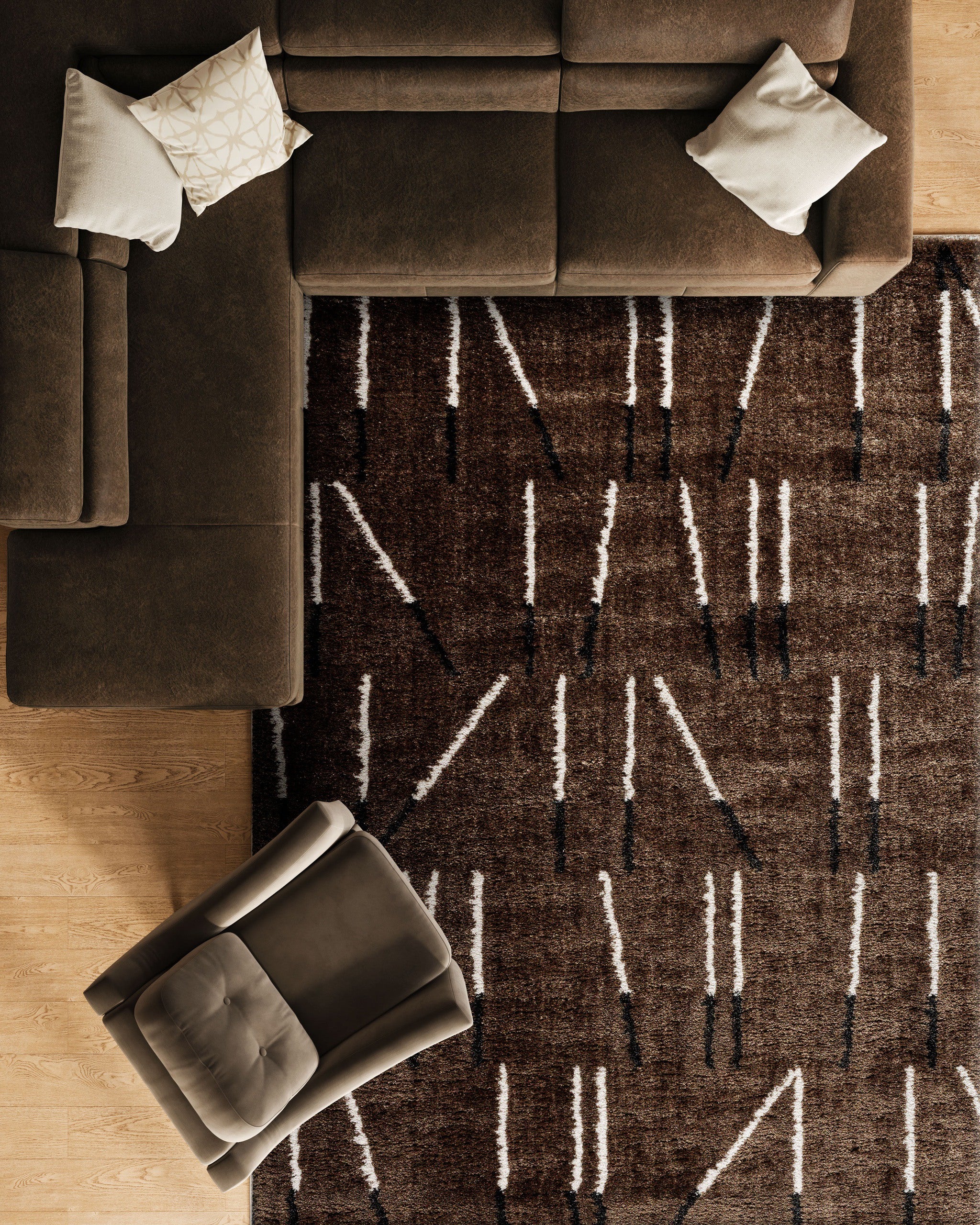
Living rooms benefit when striped rugs ground seating areas. The pattern creates visual connection between furniture pieces, making the arrangement feel cohesive rather than random. Horizontal stripes beneath a sofa make the seating area feel more expansive. The key is choosing colours that complement rather than clash, neutrals for versatility, bolder tones if you want the rug to introduce colour without requiring patterned furniture.
Dining rooms work well with striped rugs that add formality without feeling precious. The structure of stripes complements the geometry of tables and chairs, creating visual harmony. Flatweave or low-pile constructions are practical here, chairs need to move smoothly, and the pattern naturally camouflages the inevitable spills and wear that come with dining spaces.
Bedrooms can accommodate stripes when the rest of the room stays simple. Subtle, tonal stripes add texture and interest without disrupting rest. Avoid high-contrast stripes in bedrooms unless the room is large and well-lit, bold patterns can feel too energetic for spaces meant for sleep.
Choosing What Works
Start with your room's proportions. Narrow spaces benefit from horizontal stripes. Low ceilings suit vertical stripes. Square rooms can go either way, so choose based on mood rather than correction. Think about what you want the rug to do, create width, add height, or simply introduce pattern without altering perception.
Material affects how stripes read. Flatweave rugs create crisp, clean lines, ideal for modern and minimalist spaces where precision matters. High-pile rugs soften the stripes, making them feel less rigid and more inviting, better for cosy living rooms or bedrooms. Handwoven rugs with irregular stripes add character and prevent the pattern from feeling too mechanical.
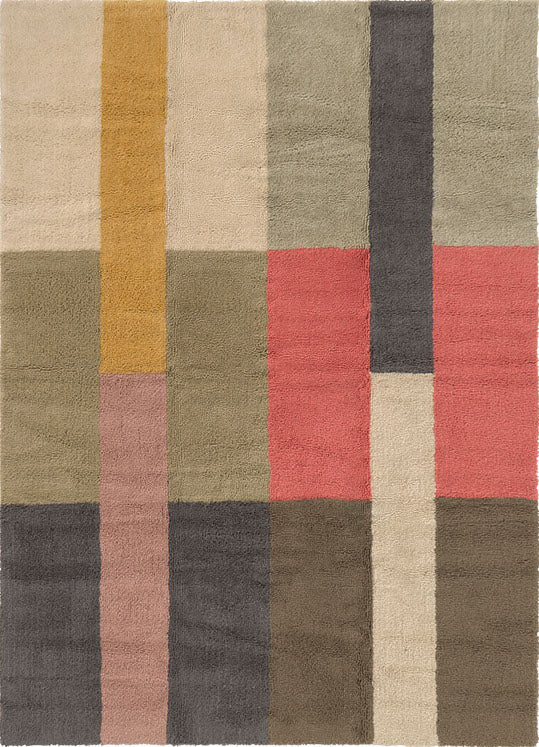
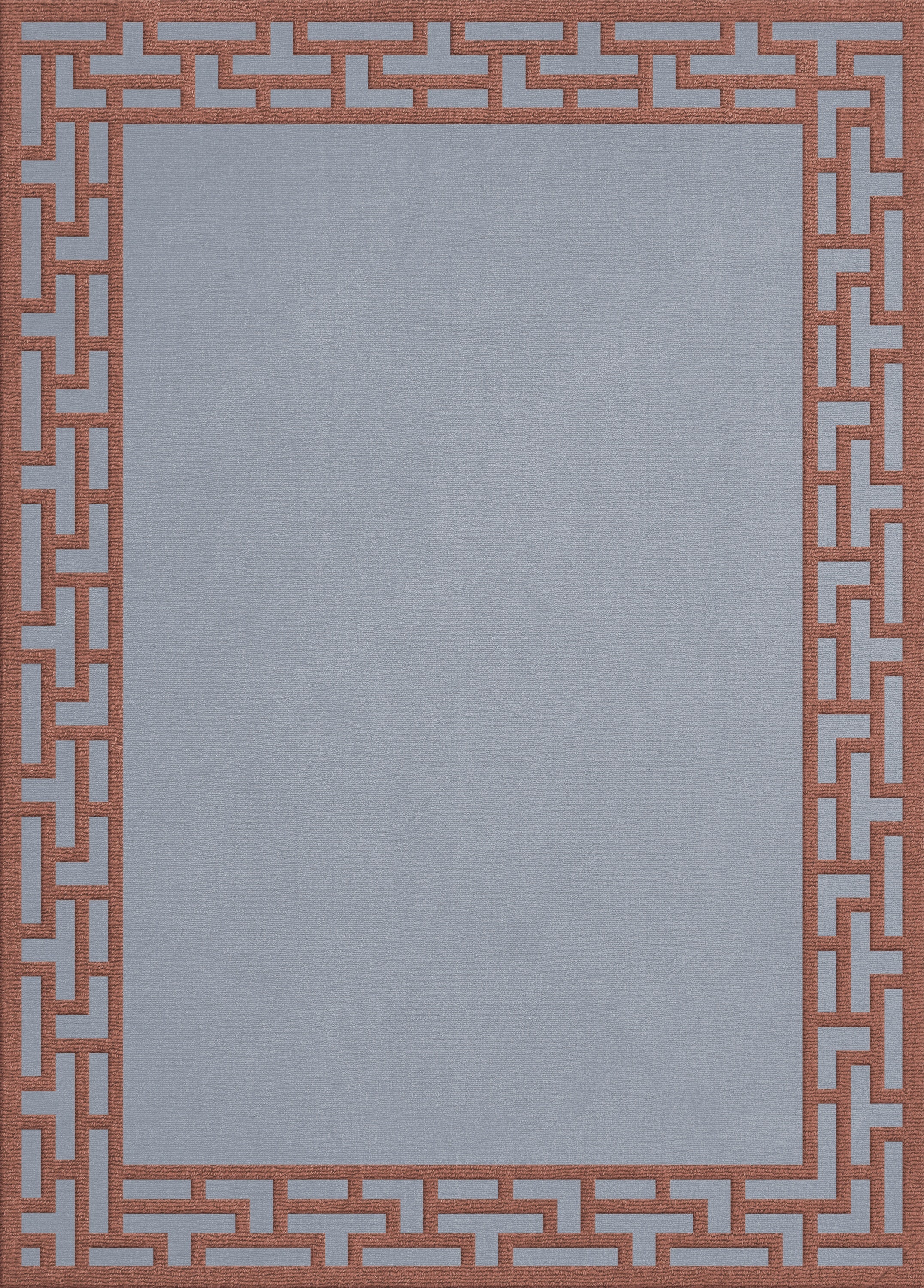
If you're drawn to structured patterns but want something with more complexity, geometric rugs offer shapes and angles that create visual interest beyond simple lines. If you prefer the simplicity of stripes but want even less pattern, solid rugs provide clean foundations without any visual rhythm.
Stripes work with other patterns when you're careful about scale. Pair a large-scale striped rug with small-scale patterned cushions or throws. The difference in scale creates hierarchy rather than competition. Keep furniture solid and accessories minimal to avoid visual chaos. The goal is layering, not clashing.
A striped rug isn't just about adding pattern. It's about creating direction, shaping how people experience a space, and introducing structure without complexity. Choose one that suits your room's proportions and your aesthetic, and it will make your space feel more intentional and complete.